Water treatment systems are essential in providing clean and safe water for various uses, ranging from residential to industrial applications. These systems depend on a wide range of technologies and equipment to filter, purify, and distribute water. Among these components, the Water Treatment System Solenoid Valve plays a crucial role in controlling the flow of water, ensuring the precision and efficiency of water management processes. This article explores the functionality, applications, and benefits of solenoid valves in water treatment systems.
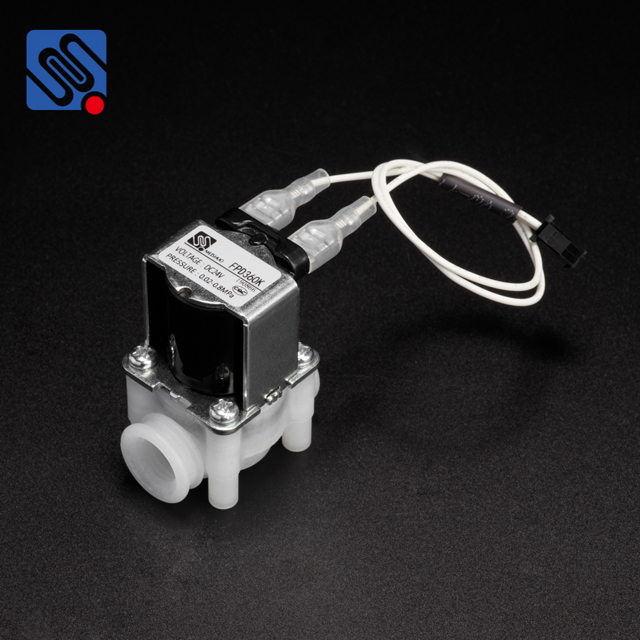
What is a Water Treatment System Solenoid Valve? A solenoid valve is an electromechanical valve used to control the flow of water or other fluids in various systems. In a water treatment system, solenoid valves are responsible for automating the opening and closing of water pathways based on electronic signals. These valves are activated by an electromagnetic coil that, when energized, opens or closes the valve, thereby controlling the flow of water through pipelines. When de-energized, the valve returns to its default state, either open or closed, depending on the valve’s design. How Does It Work?