Relays are essential components in electrical systems, enabling the control of circuits and safeguarding devices from damage. Among the many standards governing the use of electrical components, the UL certification, issued by Underwriters Laboratories (UL), is one of the most recognized. A UL Certified Relay is a relay that has passed the rigorous testing processes of UL to ensure its safety and reliability in various applications. This article aims to provide a detailed understanding of what a UL Certified Relay is, why it is important, and how it is applied in different industries.
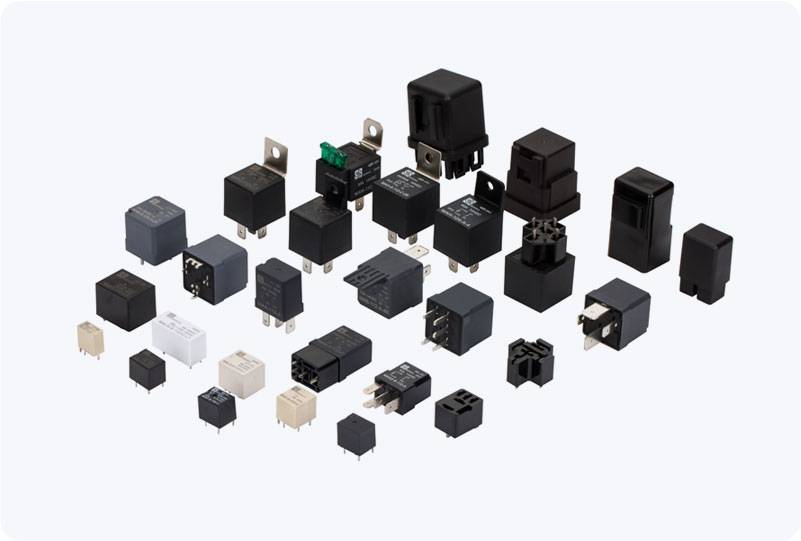
What is a UL Certified Relay? A UL Certified Relay refers to a relay that has met the safety standards set by Underwriters Laboratories, a global safety certification organization. UL is recognized for ensuring that electrical components adhere to specific safety guidelines to minimize risks such as electrical fires, electric shocks, and other hazards. The UL certification ensures that the relay performs reliably within the specified limits of voltage, current, and temperature range under normal operating conditions. The certification process involves a series of tests, including evaluating the relay’s resistance to electrical shock, heat, moisture, and mechanical wear. Only relays that pass these stringent tests are awarded the UL Certification. These certified relays are labeled with the UL mark, signifying their compliance with safety standards. The most commonly referenced UL standards for relays are UL 508 and UL 61810-1, which cover industrial control equipment and electromagnetic relays, respectively.