A Time Delay Relay (TDR) is an essential component in many automation and control systems, offering precise control over electrical circuits by introducing a time delay before activating or deactivating an output. This delay can be crucial in preventing malfunctions, ensuring smooth operation, and optimizing the efficiency of systems in industries ranging from manufacturing to home automation. In this article, we will explore the functionality, types, and various applications of Time Delay Relays.
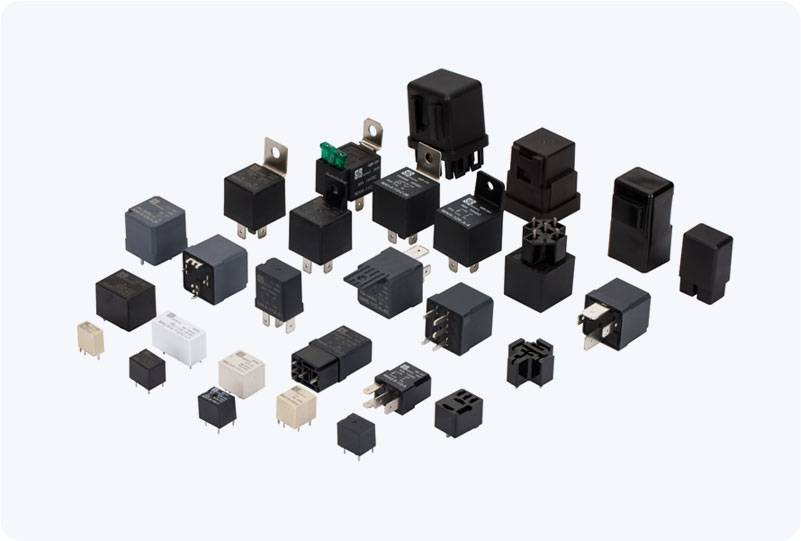
What is a Time Delay Relay? A Time Delay Relay is a type of relay that delays the opening or closing of its contacts for a specified period after receiving an input signal. Unlike traditional relays, which operate instantly upon receiving an input, a TDR introduces a delay, providing time-based control. This delay can be set according to the specific requirements of the application, ranging from milliseconds to several hours. The basic components of a Time Delay Relay include a relay coil, contacts, and a timing element. When the input signal is received, the timing element (such as an adjustable resistor or capacitor) starts a countdown. After the preset time elapses, the relay contacts switch, either opening or closing, depending on the type of relay.