The Zigbee Relay Module has rapidly become an essential component in modern smart home and industrial automation systems. Combining the benefits of Zigbee wireless communication technology with the practical functionality of a relay switch, this module offers a versatile solution for remotely controlling electrical devices. Understanding its features, operation, and applications can help homeowners, engineers, and technology enthusiasts make the most of this innovative device.
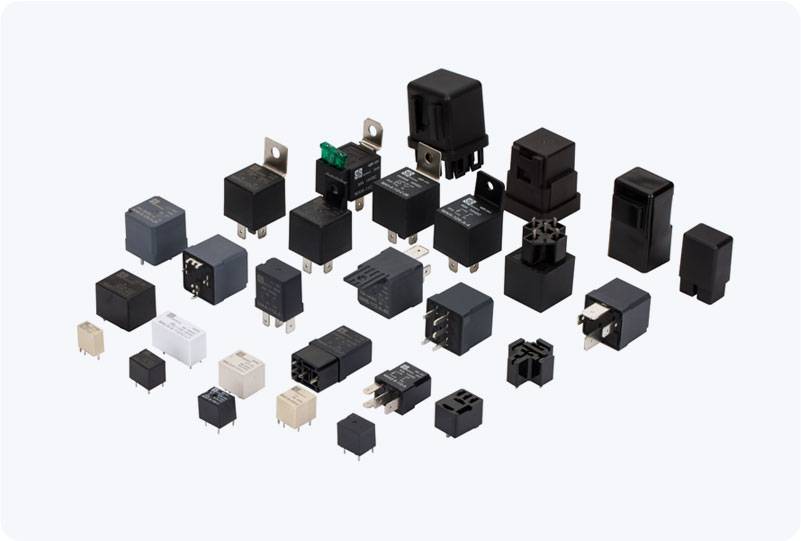
At its core, a Zigbee Relay Module integrates a relay, which is an electrically operated switch, with a Zigbee communication chip. The relay is responsible for opening or closing electrical circuits, thereby turning connected devices on or off. The Zigbee chip allows the module to communicate wirelessly with other devices within a Zigbee network, such as gateways, sensors, or central smart home controllers. This combination provides not only remote control but also the potential for automation, scheduling, and integration with other smart devices. One of the key advantages of using a Zigbee Relay Module is its low power consumption. Zigbee is designed as a low-energy wireless protocol, making it ideal for devices that need to operate continuously without frequent battery replacements. In addition, Zigbee supports mesh networking, which allows multiple devices to relay signals across the network. This capability not only extends the range of communication but also enhances network reliability, ensuring that commands reach even distant or obstructed modules.