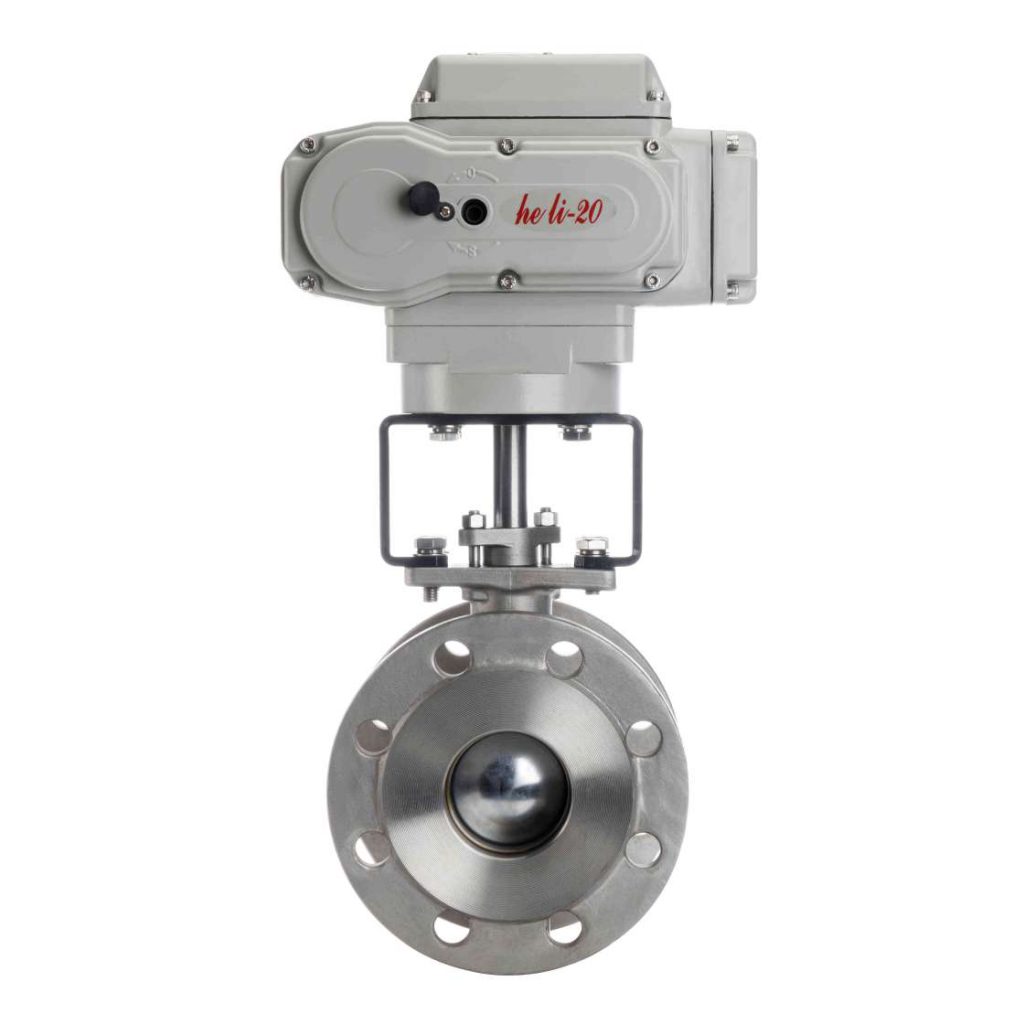
The WCB Electric V-ball valve is becoming increasingly popular in various industrial applications due to its unique design and operational efficiency. This innovative valve combines the functionalities of a traditional ball valve with the flexibility of an electric actuator, making it a vital component in processes that require precise flow control. In this article, we will explore the key features, applications, benefits, and maintenance considerations for the WCB Electric V-ball valve.
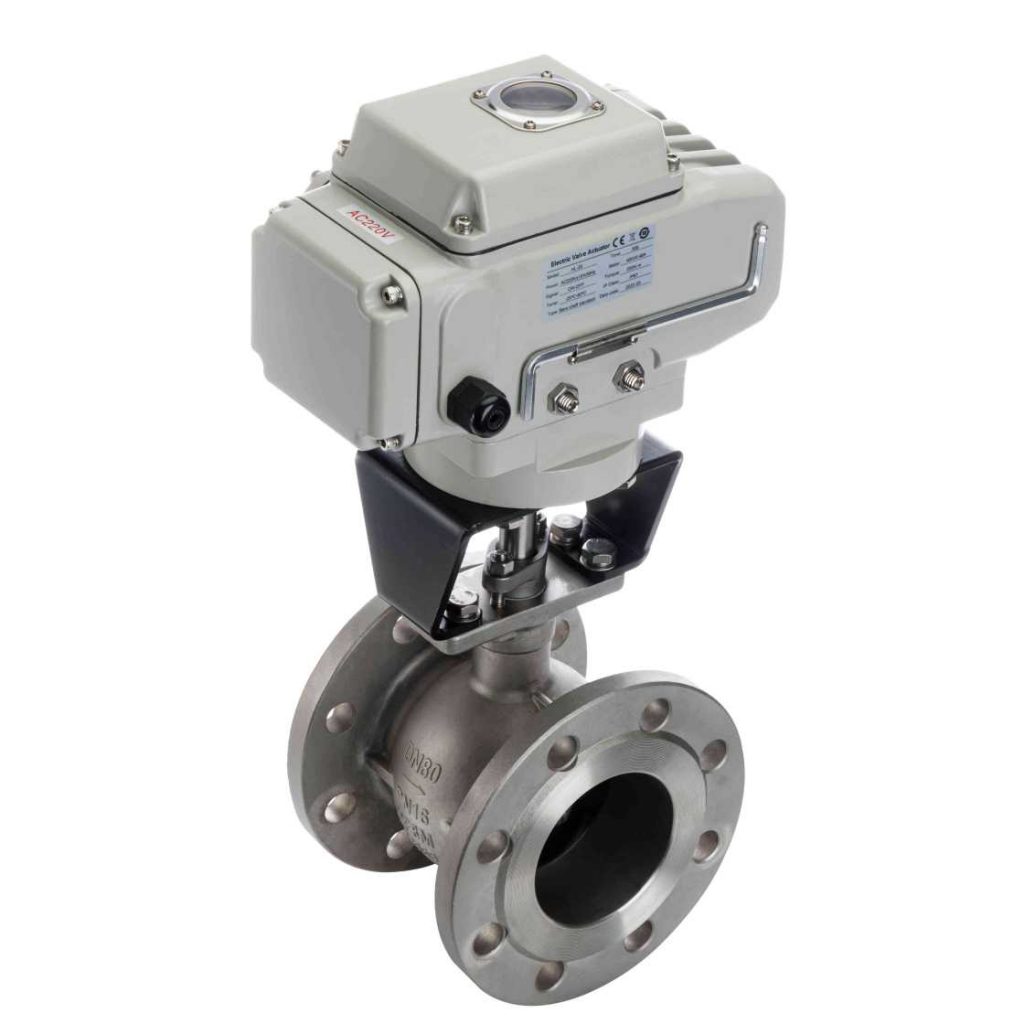
Key Features of WCB Electric V-Ball Valves
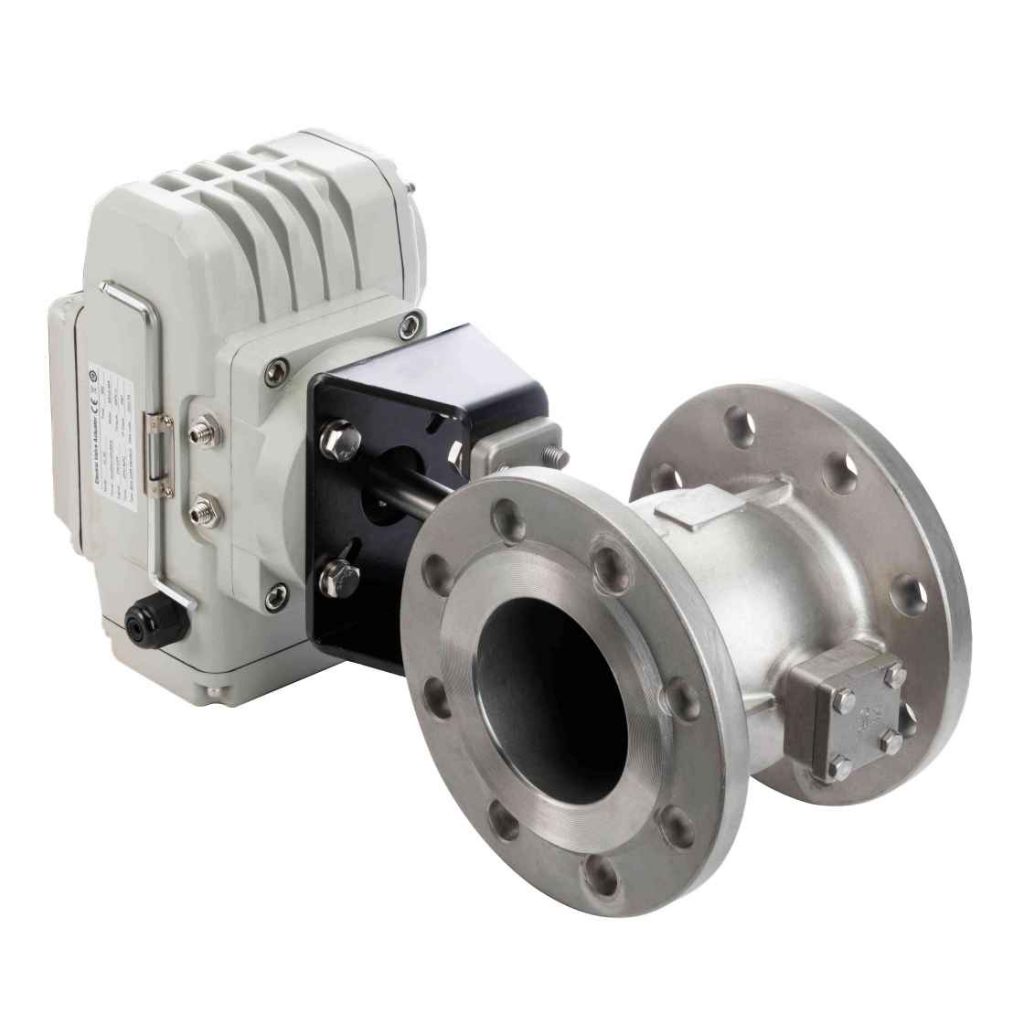
The WCB Electric V-ball valve features a distinctive V-shaped ball design that allows for enhanced flow control and regulation. This shape enables the valve to provide accurate throttling options and eliminates the concern of cavitation and turbulence commonly associated with traditional valves. The electric actuator attached to the valve allows for remote operation and automation, enabling process engineers to manage fluid dynamics in real-time without manual intervention. WCB Electric V-ball valves are generally made from high-quality materials, such as carbon steel, stainless steel, and various alloys, ensuring their durability and resistance to corrosion and wear. They are designed to handle high pressures and temperatures, making them suitable for demanding environments, such as chemical processing, power generation, and water treatment facilities.