The WCB Electric Pinch Valve is a sophisticated component designed to provide precise control over fluid flow in various industrial applications. Renowned for its efficiency and reliability, this valve type is integral to systems requiring accurate flow management. This article delves into the key features, operational principles, and benefits of the WCB Electric Pinch Valve, showcasing why it is a preferred choice in many industrial settings.
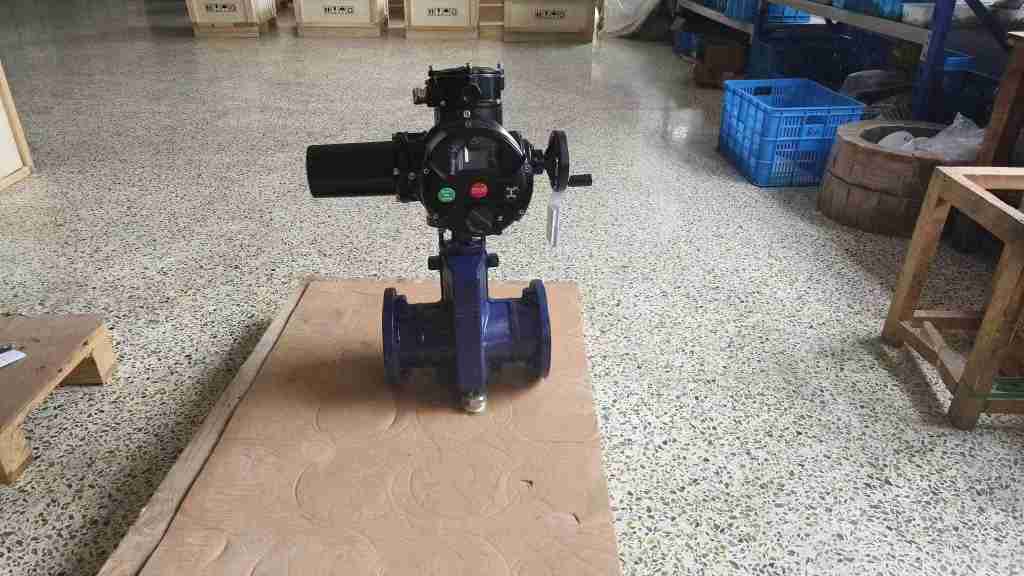
Operational Principles The WCB Electric Pinch Valve operates on a simple yet effective principle. At its core, the valve consists of a flexible rubber or elastomer sleeve, which is pinched to control the flow of fluid. When the electric actuator is engaged, it compresses the sleeve, creating a restriction or complete closure of the flow path. This mechanism allows for precise modulation of the fluid flow and can handle a wide range of fluid types, including slurries, powders, and corrosive liquids. Construction and Design The construction of the WCB Electric Pinch Valve is designed for durability and performance. The valve’s body is typically made from high-quality, corrosion-resistant materials, ensuring longevity even in harsh environments. The pinch sleeve, often constructed from reinforced elastomers or rubber, provides a reliable seal and can be easily replaced when worn. The electric actuator is engineered to offer precise control and can be integrated with various automation systems to meet specific operational requirements.