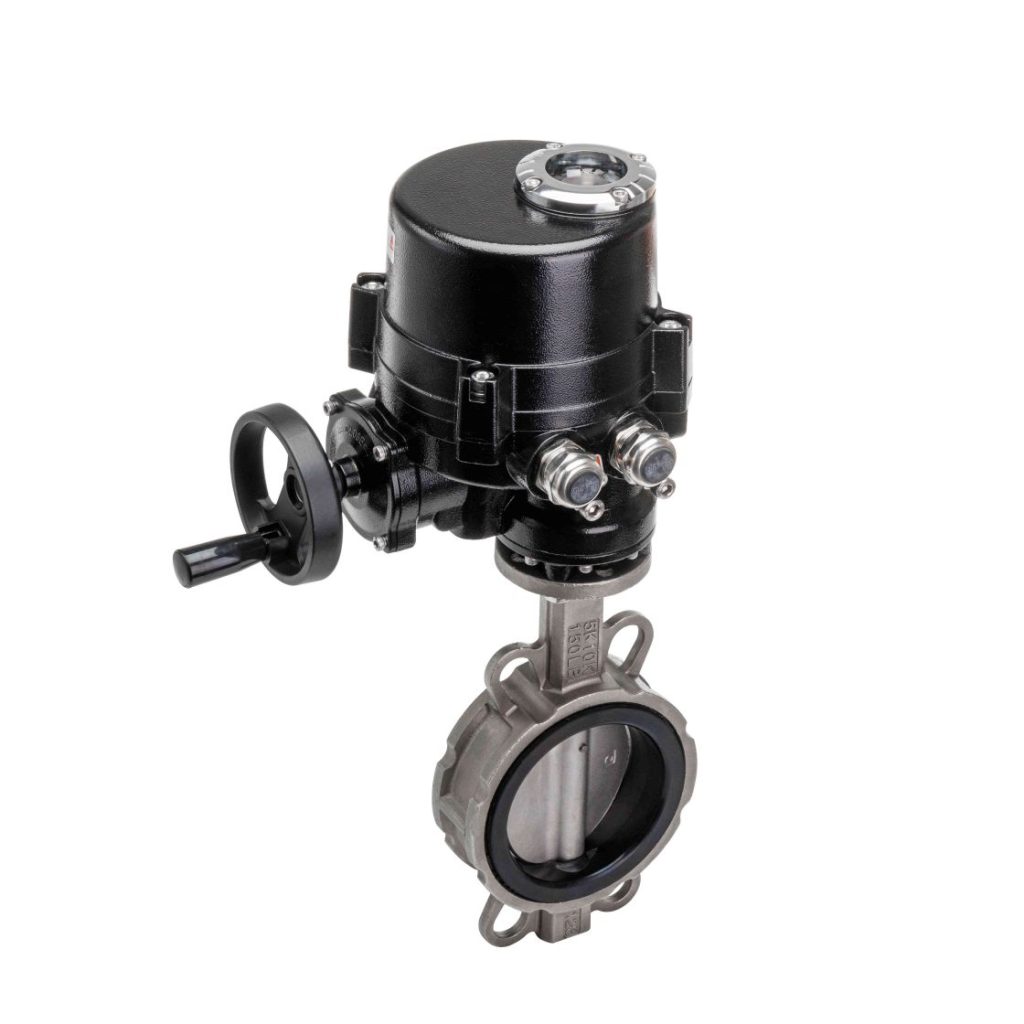
The WCB Electric Clamp Butterfly Valve is a vital component used in various industrial applications to regulate and control the flow of liquids and gases. With its robust design and reliable performance, this valve has become increasingly popular in industries ranging from oil and gas to food processing and chemical manufacturing. In this article, we will explore the features, benefits, applications, and advantages of the WCB Electric Clamp Butterfly Valve, providing a comprehensive understanding of its importance in modern systems.
What is a WCB Electric Clamp Butterfly Valve?
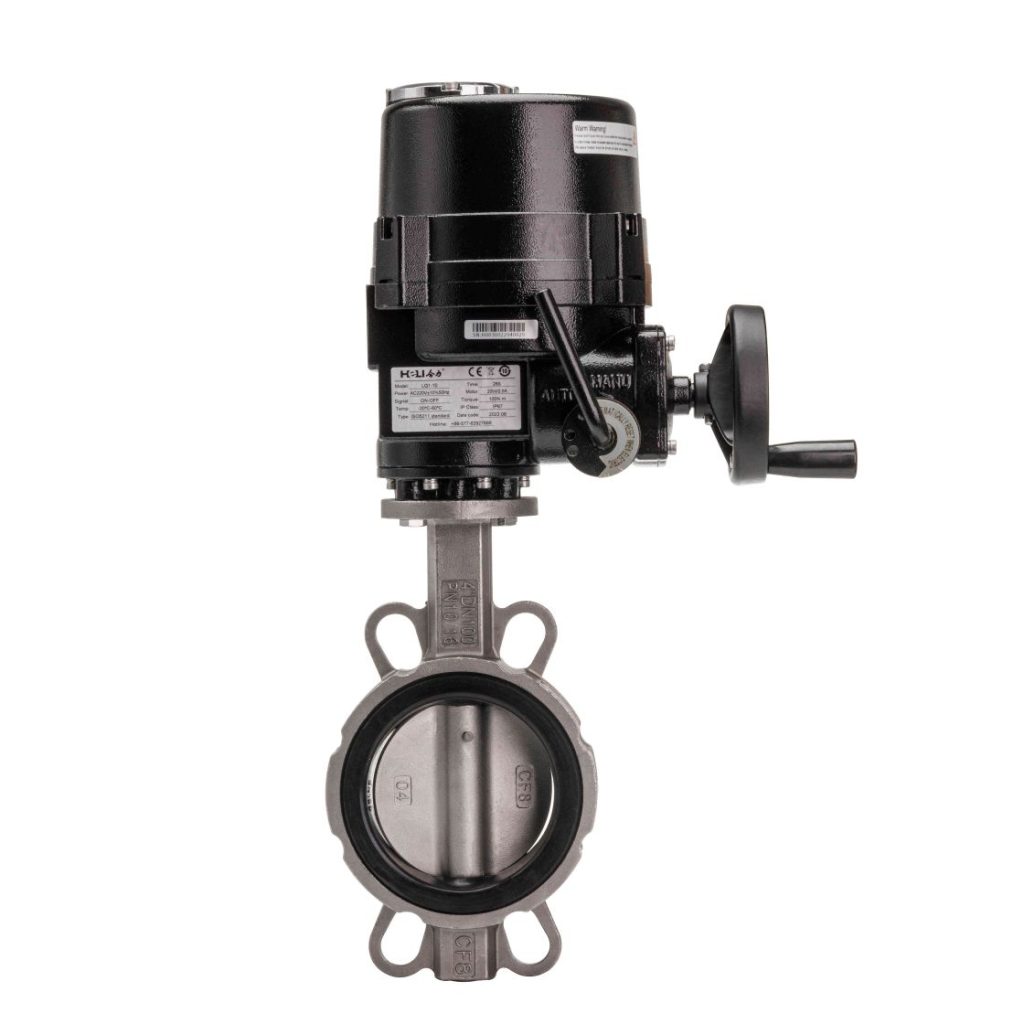
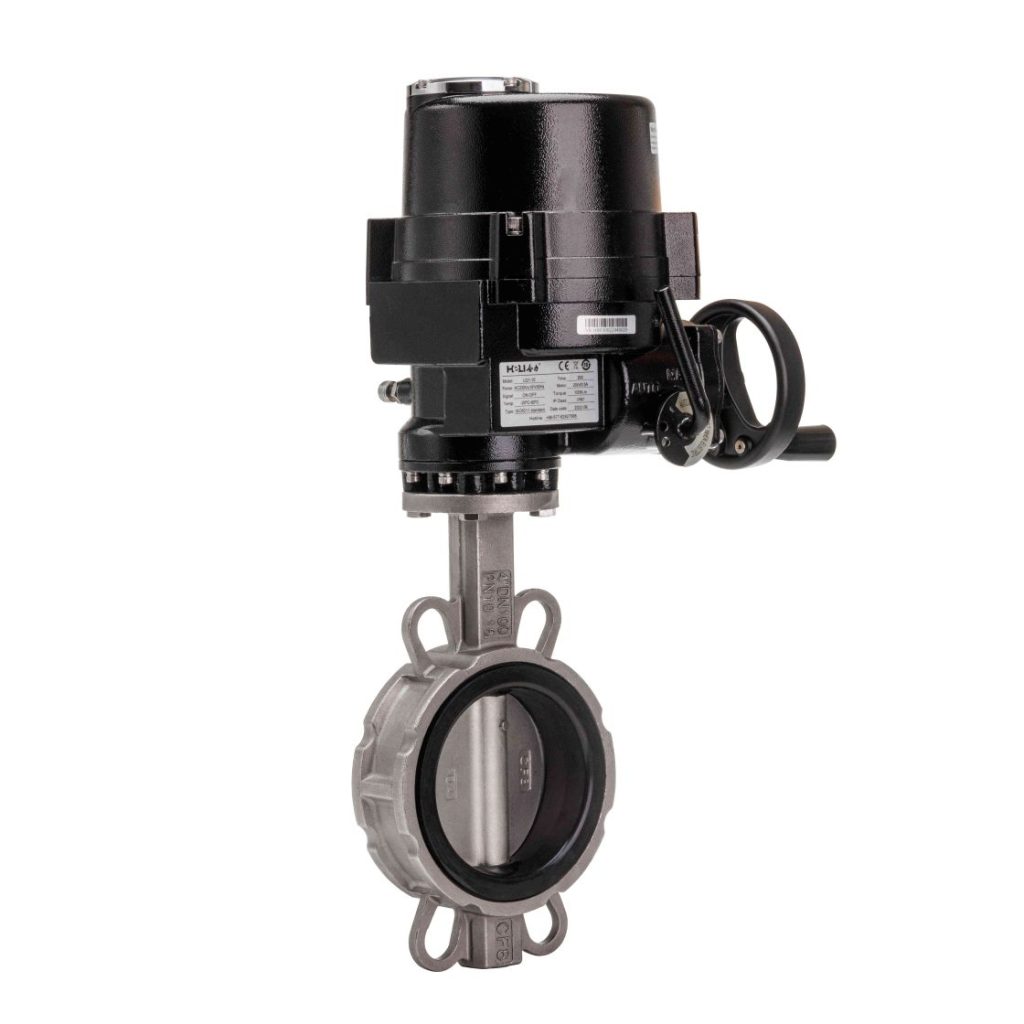
The WCB Electric Clamp Butterfly Valve is a type of valve that uses a rotating disc to control the flow of media through a pipe or conduit. The “WCB” designation refers to the material from which the valve body is made—WCB steel, a carbon steel alloy known for its strength, durability, and resistance to high temperatures and pressures. The “electric” aspect indicates that the valve is operated using an electric actuator, making it suitable for automated systems. The “clamp” feature refers to the method of installation, which involves clamping the valve onto the pipeline, ensuring a secure and leak-free connection.