Watering systems have revolutionized the way we maintain landscapes, gardens, and agricultural fields. One of the critical components of these systems is the Watering System Solenoid Valve, which plays a vital role in controlling the flow of water to various sections of an irrigation setup. This simple yet essential device enables efficient water management, reduces manual labor, and ensures that plants receive the optimal amount of water they need to thrive. In this article, we will explore the working principles, applications, advantages, and maintenance of Watering System Solenoid Valves.
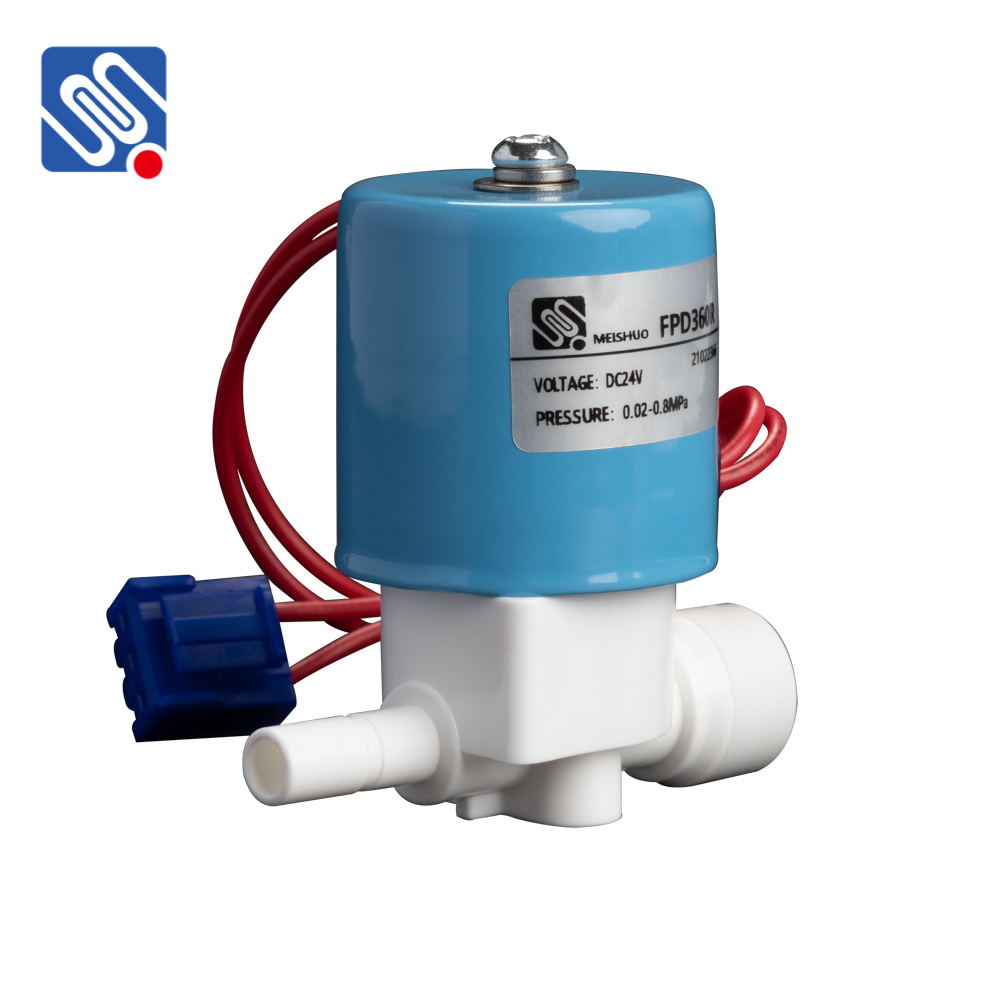
Working Principle of the Watering System Solenoid Valve A solenoid valve is an electromechanical device that regulates the flow of liquids or gases through a pipe. In the case of a watering system, the solenoid valve controls the water flow based on electrical signals. The heart of the solenoid valve is its electromagnetic coil, which is energized by an electric current. When the current flows through the coil, it generates a magnetic field that moves a plunger or diaphragm inside the valve, allowing water to flow through or blocking the flow when de-energized. Solenoid valves used in watering systems are typically connected to an irrigation controller, which can be set to automatically open and close the valve at specific times or in response to certain conditions, such as soil moisture levels. This automated process ensures that water is delivered to the plants only when needed, preventing over-watering and saving water.