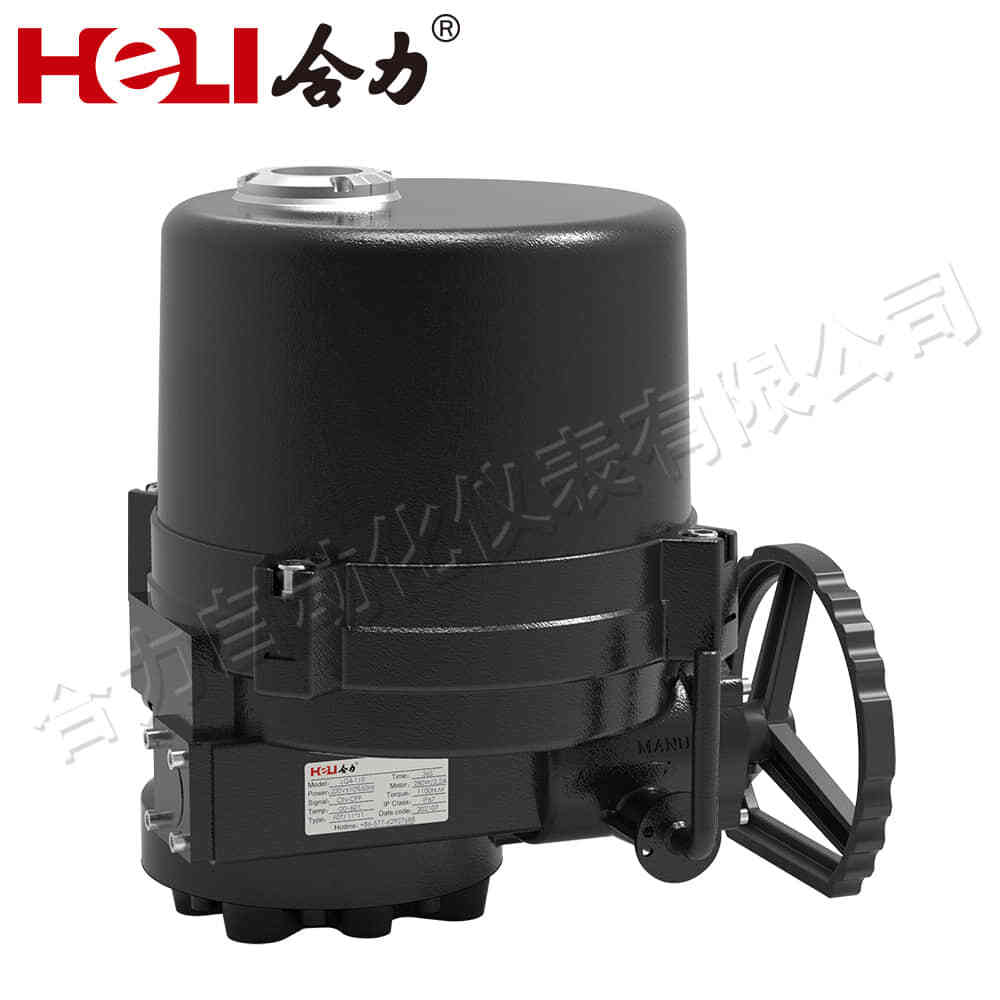
In today’s rapidly advancing technological landscape, the demand for reliable and durable automation solutions has become increasingly essential. A pivotal component in this sector is the waterproof electric actuator, a device that serves as a crucial interface between electrical control systems and mechanical operations. As the requirement for devices that can withstand harsh environments grows, the role of waterproof electric actuator manufacturers has become more prominent. This article explores their significance, key features, applications, and industry trends.
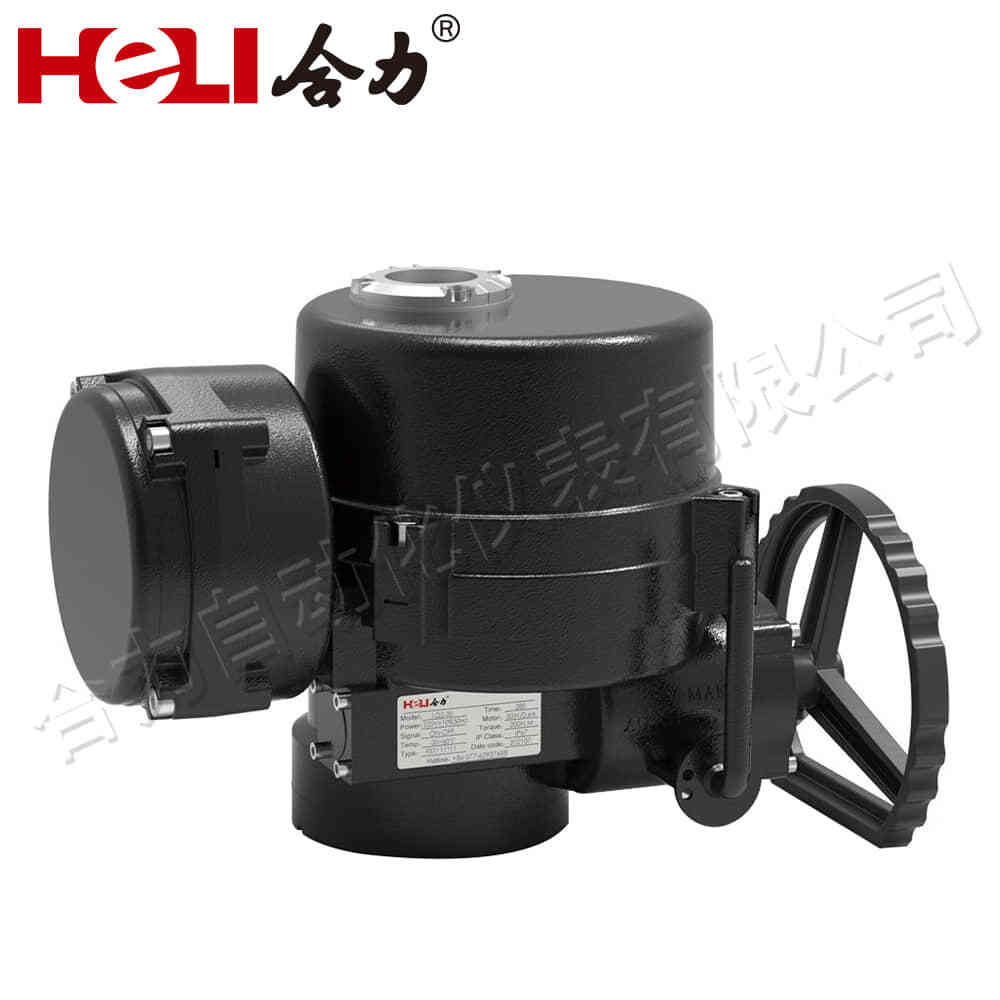
The Importance of Waterproof Electric Actuators
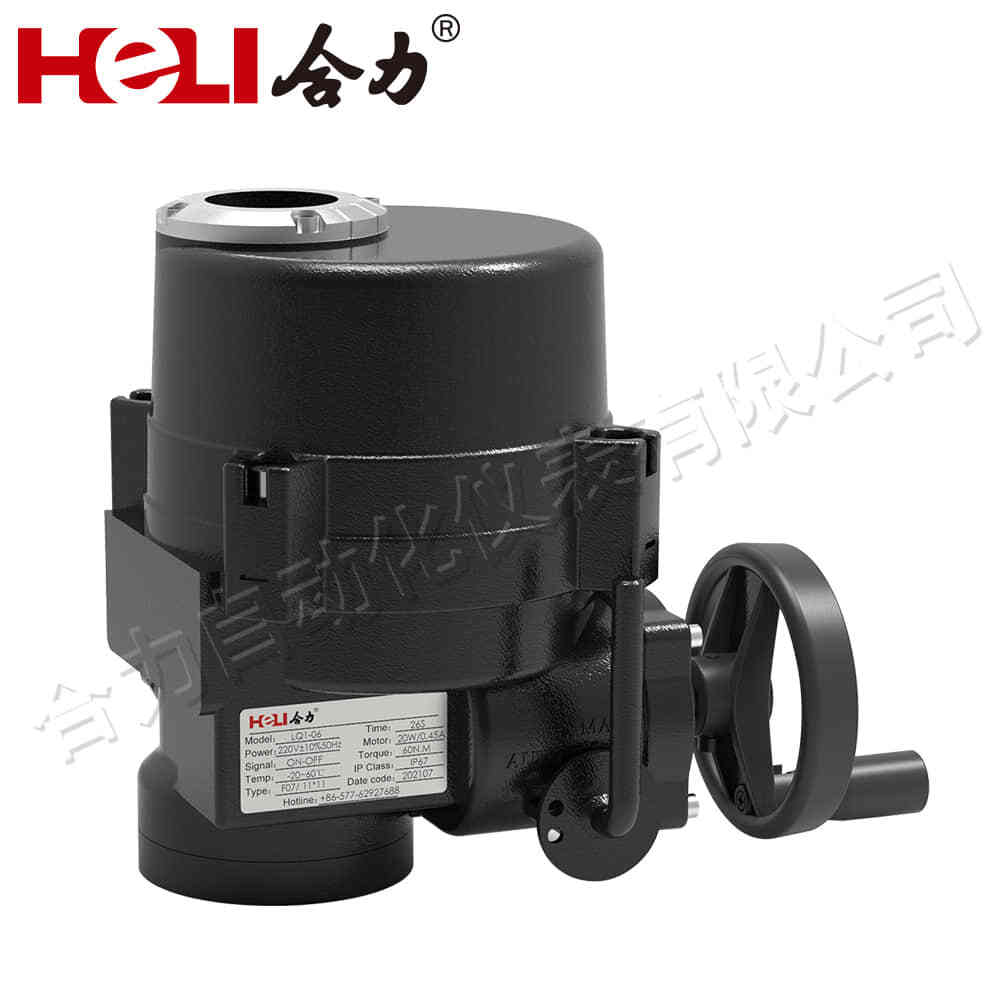
Waterproof electric actuators are designed to operate effectively in environments exposed to moisture, water, and other elements that may cause damage to standard mechanisms. The construction of these actuators often includes robust materials like stainless steel, aluminum, and specialized coatings to prevent corrosion. Specific models are rated with ingress protection (IP) standards—most commonly IP67 or IP68—indicating their ability to function in submerged conditions. These actuators are pivotal in various fields, including automotive, agriculture, marine, and industrial applications. For example, in the water treatment industry, electric actuators control valves that regulate fluid flow, ensuring efficient operations even amidst varying water levels. Similarly, in marine applications, waterproof actuators are critical for controlling vital systems on ships and submarines, where exposure to seawater is unavoidable.