In the evolving world of the Internet of Things (IoT), effective communication between devices is crucial. As the number of connected devices grows, so does the demand for stable, efficient, and extended communication networks. One technology that plays a significant role in ensuring robust IoT systems are functional is the IoT communication relay module. These modules serve as essential tools in overcoming communication challenges related to range, interference, and network reliability. This article explores the purpose, working principle, and applications of IoT communication relay modules.
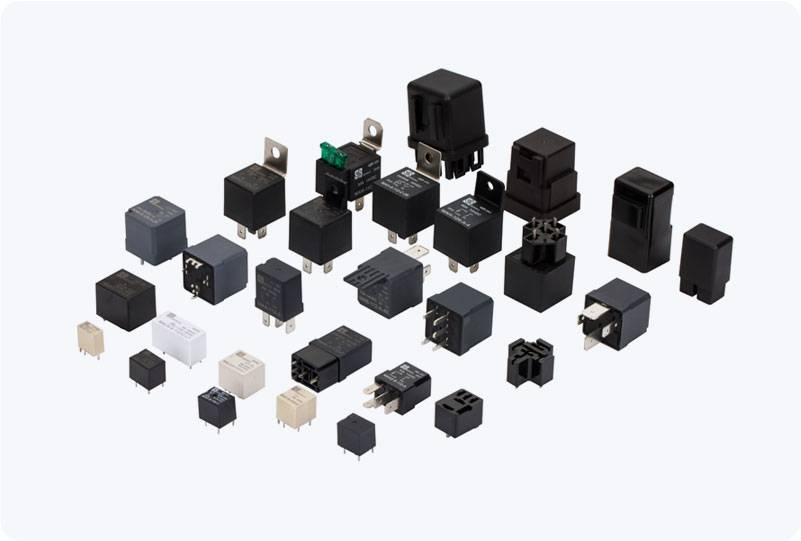
What is an IoT Communication Relay Module? An IoT communication relay module is a hardware device that serves as an intermediary between IoT devices, allowing them to communicate over extended distances. It works by receiving data from a source device and forwarding it to the destination device, thereby extending the communication range and ensuring stable data transmission. Essentially, relay modules help bridge gaps in wireless communication, particularly when signals face obstacles like walls, buildings, or geographical distance. These relay modules are an integral part of many IoT networks, providing a reliable means of overcoming environmental constraints that might otherwise hinder communication. They come in various configurations and support different wireless protocols, including Wi-Fi, Bluetooth, Zigbee, LoRa, and more.