The growing demand for electric vehicles (EVs) has brought significant advancements in automotive technology, especially in the area of electric propulsion and energy storage systems. One key component that plays a crucial role in ensuring the safety and efficiency of these systems is the EV Main Contactor Relay. This component is responsible for the safe and reliable operation of the power system, as it controls the high-voltage connection between the battery and the motor, enabling or disabling power transmission based on the vehicle’s operational needs. In this article, we will explore the EV Main Contactor Relay, its function, and its significance in modern electric vehicles.
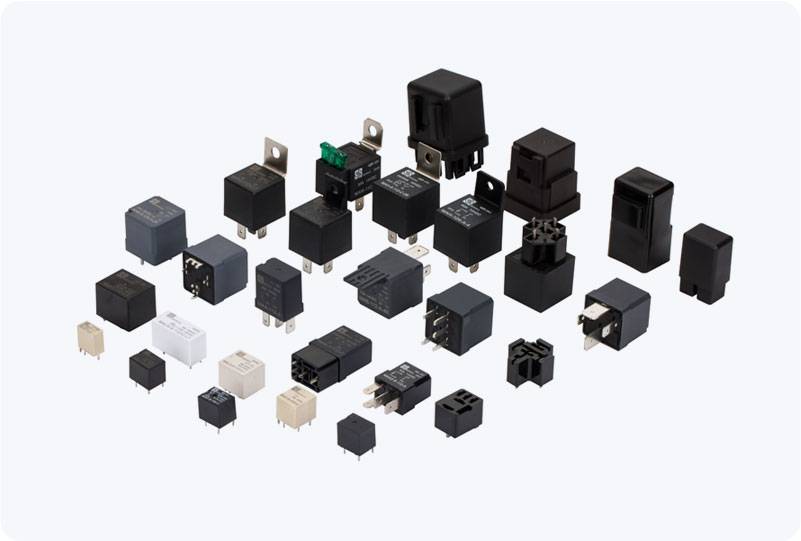
What is an EV Main Contactor Relay? An EV Main Contactor Relay is an electrical device used in electric vehicles to connect or disconnect the high-voltage battery from the powertrain. It serves as a critical link in the electric vehicle’s power management system by controlling the flow of electrical energy between the battery pack and the motor. It is typically located in the high-voltage section of the electric vehicle’s power distribution system and is designed to handle large amounts of current safely and efficiently. The Role and Function of the EV Main Contactor Relay The primary function of the EV Main Contactor Relay is to control the flow of electricity between the battery and the motor. This allows the vehicle to operate efficiently and safely, ensuring that the power system only connects when needed. The relay works by automatically opening or closing contacts in response to control signals from the vehicle’s Battery Management System (BMS) or other control units. Here are the key functions of the EV Main Contactor Relay: