In modern plumbing systems, automation and precision play crucial roles in ensuring efficiency and safety. One essential component that contributes to this goal is the Building Water Supply Solenoid Valve. These electromechanical devices help control the flow of water through pipelines, making them indispensable in various applications, including irrigation, water treatment, and HVAC systems. In this article, we will explore the functionality, applications, advantages, and considerations when using Building Water Supply Solenoid Valves.
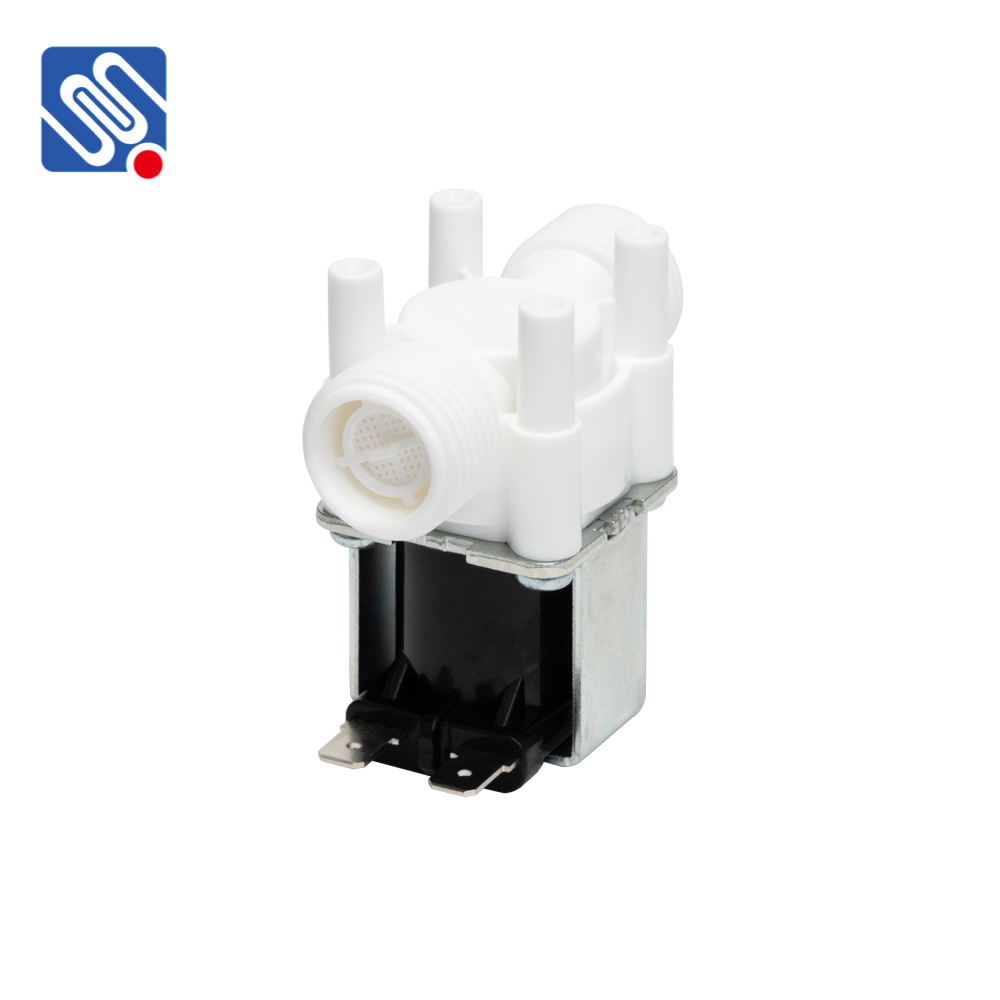
What is a Building Water Supply Solenoid Valve? A solenoid valve is an electromechanical device used to control the flow of water or other fluids within a system. It works by using an electric current to generate a magnetic field, which in turn opens or closes the valve. In the context of a building water supply system, these valves are primarily used to regulate water flow, making them an essential part of automated and controlled water distribution systems. When electric current is applied to the solenoid coil, it activates a magnetic field that either opens or closes the valve. This operation is crucial for applications requiring precise and reliable water flow management, such as in irrigation systems, water treatment plants, and HVAC systems.