A Circuit Breaker Relay (CBR) is a crucial component in modern electrical systems, providing protection against electrical faults such as overloads and short circuits. By combining the functions of both a circuit breaker and a relay, it ensures that circuits are automatically disconnected when an anomaly is detected, safeguarding the system from potential damage. This article delves into the working principle, applications, and benefits of Circuit Breaker Relays, highlighting their importance in maintaining the safety and reliability of electrical installations.
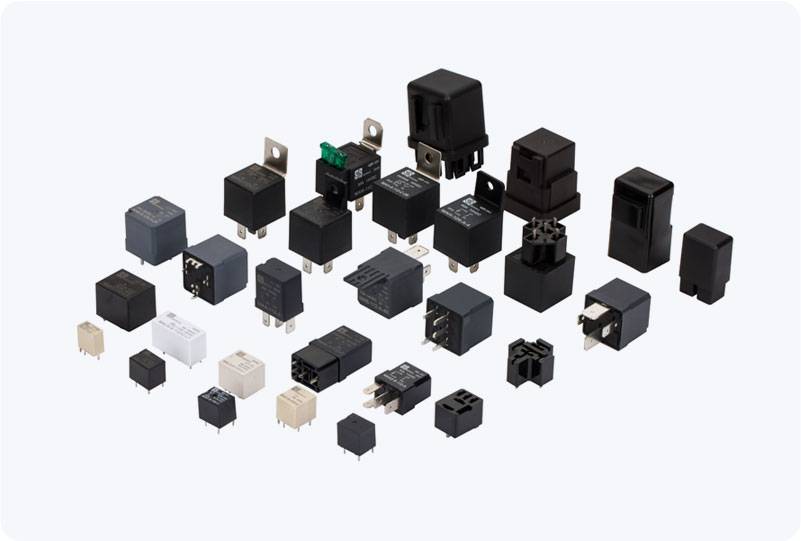
What is a Circuit Breaker Relay? A Circuit Breaker Relay is an electrical device that combines the functions of a circuit breaker and a relay. It acts as a safety mechanism in electrical circuits by automatically disconnecting the power when faults like overcurrent, short circuit, or ground faults are detected. The relay part of the device monitors the current or voltage levels, and when these levels exceed preset limits, the relay triggers the circuit breaker to open, disconnecting the power supply and preventing further damage. Working Principle The working of a Circuit Breaker Relay can be explained through two key components: the circuit breaker and the relay.