In high voltage (HV) electrical systems, the safety and reliability of equipment are paramount to ensure uninterrupted power supply and avoid catastrophic failures. One critical component in safeguarding HV systems is the HV Insulation Fault Relay, a protective device designed to monitor the insulation status of electrical equipment, such as transformers, circuit breakers, and switchgear. By detecting insulation faults early, this relay helps prevent more severe electrical accidents, including equipment damage, fire hazards, and system failures. This article delves into the workings, applications, and significance of HV Insulation Fault Relays in modern electrical systems.
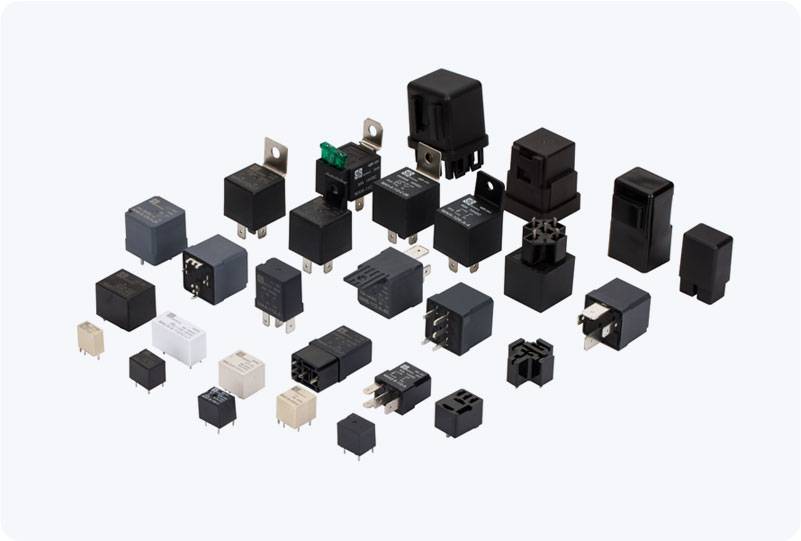
What is an HV Insulation Fault Relay? The HV Insulation Fault Relay is a protective relay used in high voltage electrical systems to monitor and maintain the integrity of the insulation in electrical devices. Insulation failure in these systems can lead to dangerous situations, including electrical shocks, fires, and equipment destruction. These relays are designed to detect abnormalities in the insulation resistance of high voltage equipment and initiate corrective actions such as alarming or disconnecting the power supply. How Does the HV Insulation Fault Relay Work? At its core, the HV Insulation Fault Relay operates by continuously monitoring the insulation resistance between electrical conductors and earth ground. It typically employs a voltage measurement technique that assesses the insulation’s performance based on resistance values. If the resistance drops below a pre-set threshold, indicating potential failure of the insulation, the relay activates.