Automation relays are essential components in modern control systems, enabling the automatic switching of devices and circuits in response to various inputs. These versatile devices are widely used across industries, such as manufacturing, energy management, and home automation, to optimize operational efficiency and enhance safety. This article will explore the different types of automation relays, their functions, and key applications.
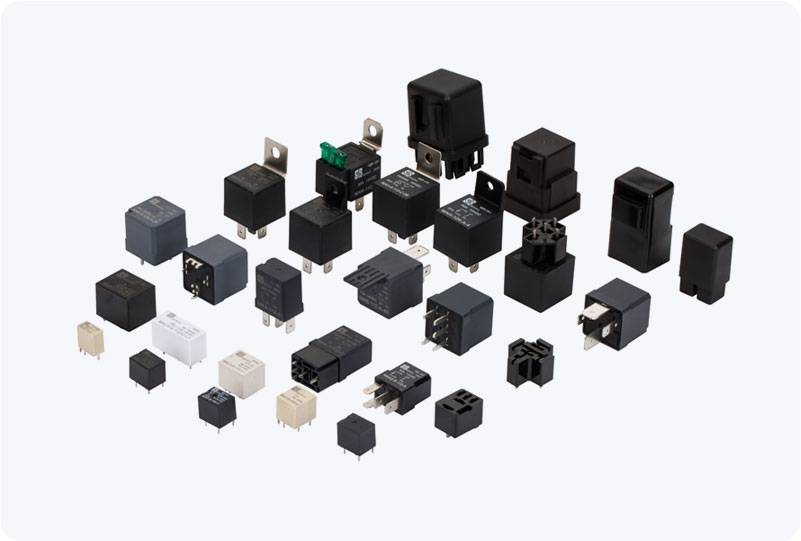
What is an Automation Relay? An automation relay is an electrical device used to control the operation of other electrical devices based on a specific input signal. These relays use electromagnetic or semiconductor principles to trigger the opening or closing of switches, which then control other devices such as motors, lights, or alarms. In automation systems, relays are crucial for ensuring that processes run efficiently without the need for constant manual intervention. Automation relays are typically designed to handle high-voltage circuits with low-voltage control signals, making them a critical component in ensuring the safety and reliability of electrical systems. They can be programmed to respond to various conditions, such as temperature, pressure, or even specific time delays, enabling precise control of industrial processes.