As electric vehicles (EVs) continue to gain popularity around the world, their sophisticated electrical systems also evolve to ensure efficiency, safety, and performance. One critical component within these systems is the precharge relay, a device that plays a significant role in managing high-voltage electrical connections safely. This article delves into the functionality, purpose, and importance of the precharge relay in electric vehicles.
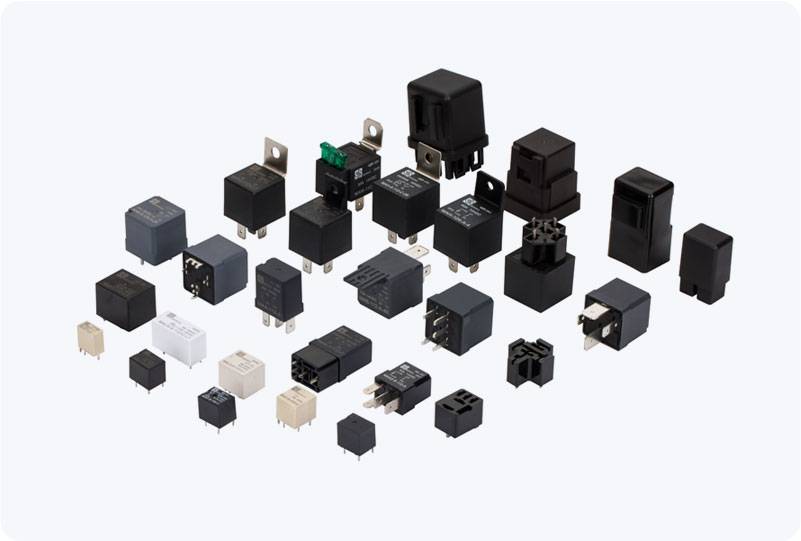
What is a Precharge Relay? A precharge relay is an electrical component designed to manage the initial connection between the high-voltage battery and power-consuming devices like electric motors and power electronics. Unlike traditional relays, which act as simple on/off switches, the precharge relay serves a specialized role in mitigating risks associated with sudden surges of electric current when a vehicle’s power system is activated. Primary Functions of the Precharge Relay Mitigating Inrush Current: When power systems in electric vehicles are activated, a significant inrush current can occur if the high-voltage battery is directly connected to the electrical loads. This high current can be damaging to sensitive components, including capacitors and the inverter. The precharge relay addresses this issue by gradually introducing voltage to these components, allowing them to charge up steadily, reducing the risk of damage from electrical shock.