In modern electronic systems, especially in automation and control applications, safety, efficiency, and reliability are paramount. One of the essential components that help achieve these objectives is the Optocoupler Protected Relay Module. This device serves as a bridge between low-voltage control circuits, such as microcontrollers, and high-power systems that require switching. In this article, we will explore the key features, benefits, and applications of the Optocoupler Protected Relay Module and discuss why it is an essential tool in various industries.
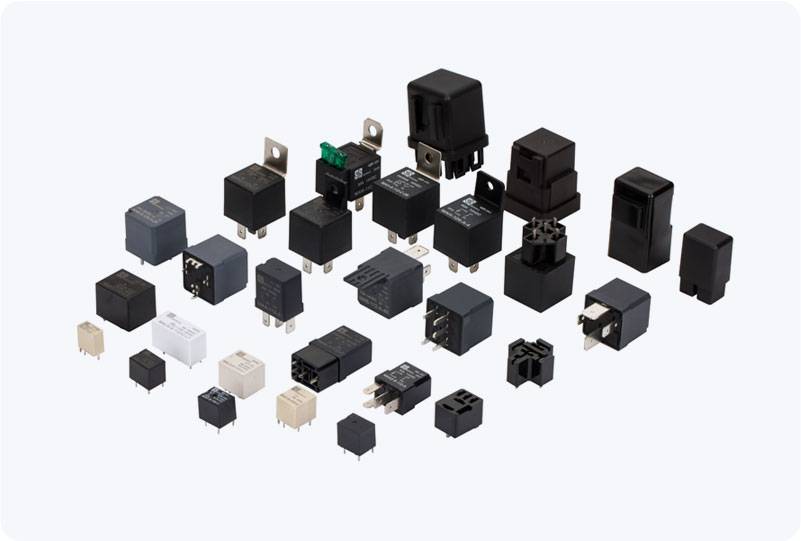
What is an Optocoupler Protected Relay Module? An Optocoupler Protected Relay Module is a device that allows low-voltage circuits to control high-voltage loads with complete electrical isolation. It combines a relay, which is an electromechanical switch used to control high-power circuits, with an optocoupler (also called an optoisolator), which provides electrical isolation between the low-voltage control and the high-voltage load. This isolation helps protect the low-voltage components, such as microcontrollers or digital circuits, from potentially damaging high-voltage spikes. The relay component in the module can switch on or off a high-power circuit, such as a motor, light, or other electrical appliance, based on signals from the low-voltage control side. The optocoupler’s job is to transmit the control signal optically, preventing any direct electrical contact between the low-voltage and high-voltage sides, thus protecting the sensitive components from electrical surges or faults.