In the ever-evolving world of electronics, effective control of power and protection of sensitive components are crucial. One of the innovative solutions that has gained prominence in various applications is the Optocoupler Protected Relay Module. This module combines the functionalities of an optocoupler and a relay to provide a safe and efficient means of controlling high-voltage devices while safeguarding low-voltage circuitry.
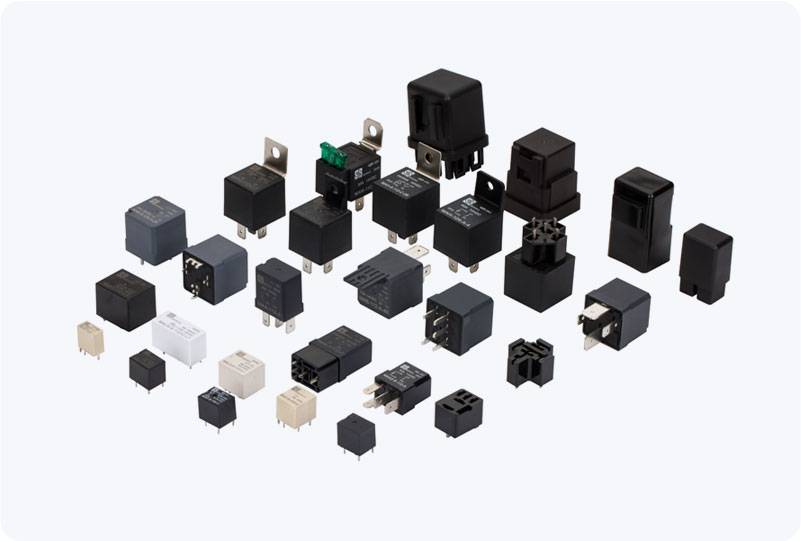
What is an Optocoupler Protected Relay Module? An Optocoupler Protected Relay Module is an electronic device that utilizes an optocoupler to isolate control signals from high-power circuits. At its core, the module consists of two primary components: an optocoupler and a relay. The optocoupler ensures electrical isolation between the input (control side) and the output (load side), enabling users to manage high-voltage appliances with low-voltage signals safely. Key Components Optocoupler: The optocoupler comprises a light-emitting diode (LED) and a photosensitive device (such as a phototransistor). When a low-voltage signal triggers the LED, it emits light, which is detected by the phototransistor, generating an output signal. This configuration effectively isolates the low-voltage control circuit from potentially dangerous high-voltage circuits.