Miniature relays are small-sized electromagnetic switches that have become an essential component in modern electronics and electrical systems. Despite their compact size, they are capable of controlling high-power electrical circuits with low-power control signals. This article delves into the structure, working principle, types, applications, and key factors to consider when selecting miniature relays.
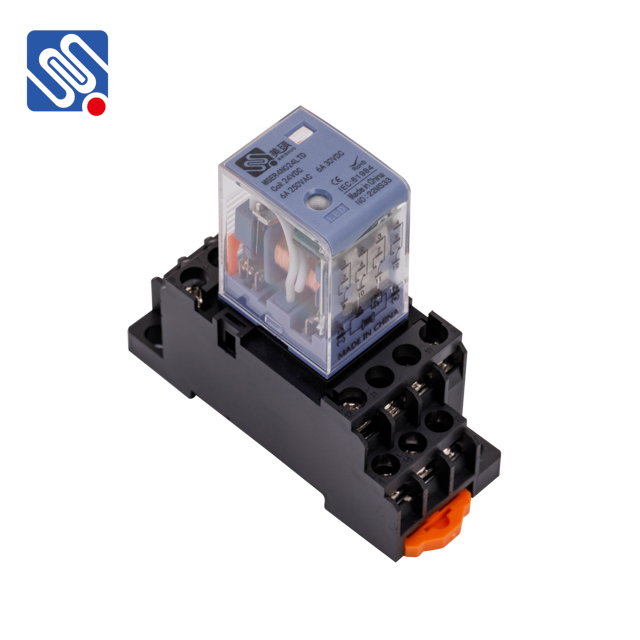
Structure and Working Principle A miniature relay operates on the principle of electromagnetism. It consists of several key components, including a coil (electromagnet), armature (a movable part), and contacts (the electrical switching points). When an electrical current passes through the coil, it generates a magnetic field, attracting the armature. This movement of the armature opens or closes the contacts, thereby controlling the flow of current in the main circuit. The relay features a spring mechanism to return the armature to its default position once the controlling power is turned off. This allows the relay to reset and be ready for the next activation cycle. The contacts within the relay can either be normally open (NO), meaning they are open when the relay is not activated, or normally closed (NC), meaning they are closed until the relay is energized.