In the ever-evolving world of energy storage and electrical systems, lithium batteries have emerged as one of the most reliable and efficient power sources. They are widely used in a variety of applications, ranging from electric vehicles (EVs) and portable electronics to large-scale renewable energy storage systems. However, despite their many advantages, lithium batteries are also associated with certain risks, including overheating, overcharging, and, in extreme cases, thermal runaway. To mitigate these risks and enhance the safety of lithium battery systems, engineers have designed various safety mechanisms, one of which is the Lithium Battery Power Off Reset Valve (often referred to as a power-off reset valve). This article delves into the function, importance, and working principles of this innovative safety feature.
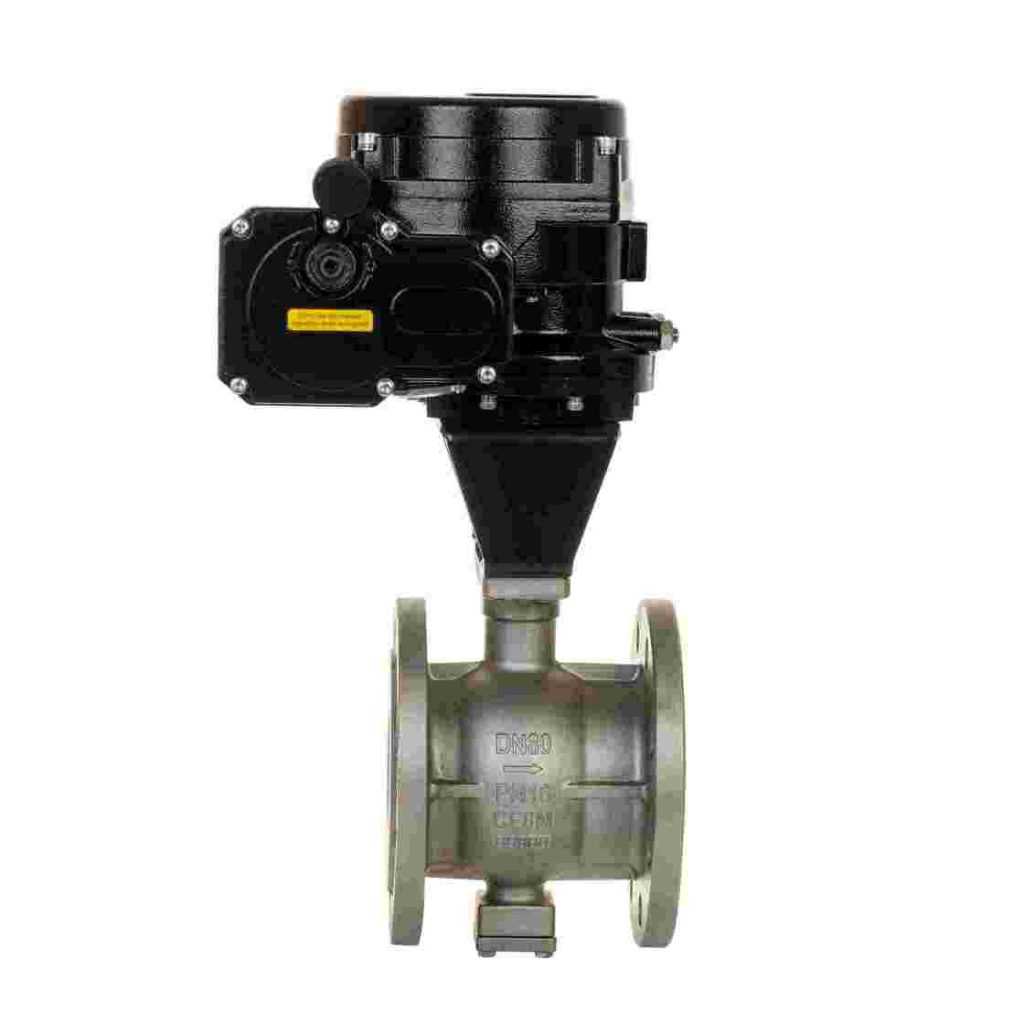
What is a Lithium Battery Power Off Reset Valve?
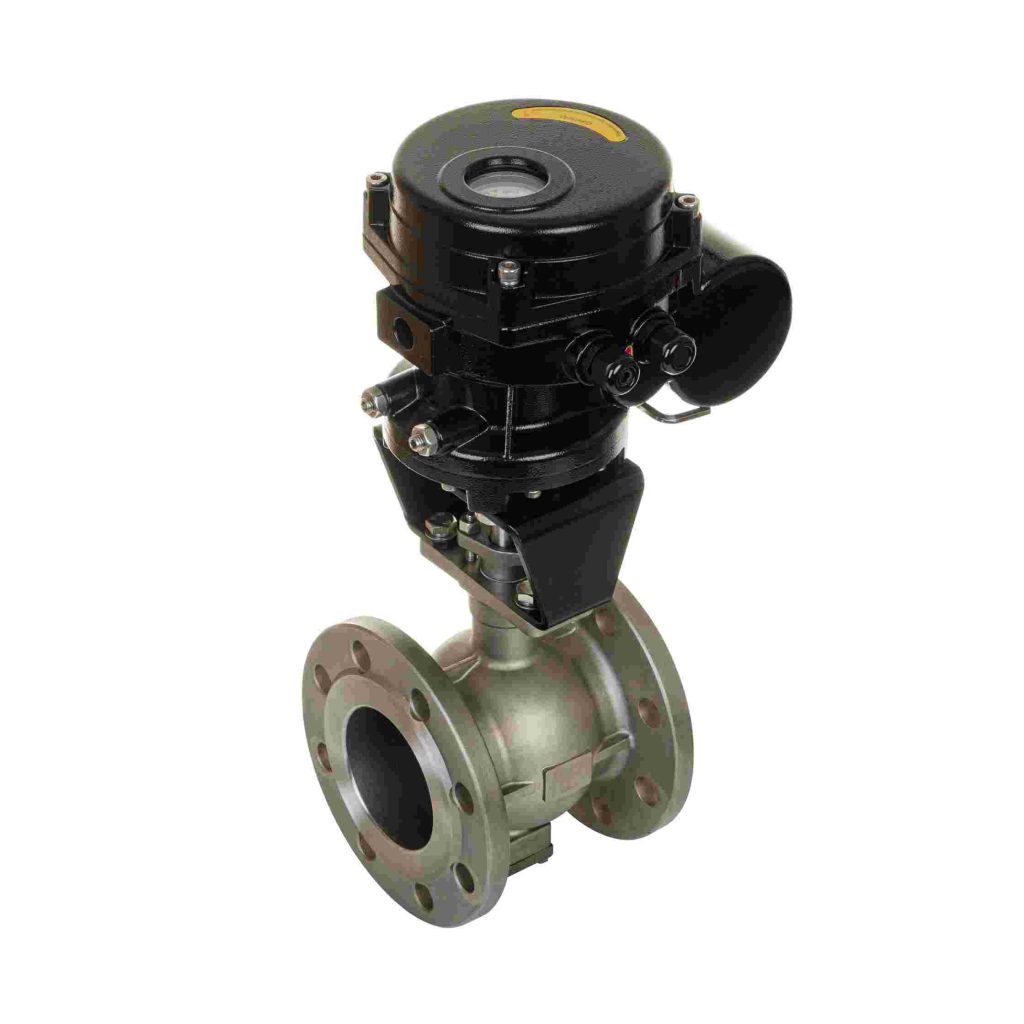
A Lithium Battery Power Off Reset Valve is a safety valve mechanism designed to activate when there is a disruption in the battery’s normal operational state, such as a sudden power loss or system failure. The primary purpose of this valve is to ensure that the battery system remains safe and functional during unexpected shutdowns or resets. The valve plays a critical role in preventing the internal components of the battery from suffering damage due to rapid discharges, power fluctuations, or other irregularities in the system. It essentially acts as a fail-safe device that isolates the battery from the rest of the electrical circuit when the system is turned off or reset. By doing so, it prevents reverse currents, leaks, or overheating from compromising the battery’s integrity or performance.