The starter motor relay is a crucial component in the automotive electrical system that plays an essential role in the process of starting an internal combustion engine. Often overlooked during routine maintenance, the proper function of the starter motor relay is vital for ensuring the vehicle’s reliability and performance. This article explores the workings of the starter motor relay, its functions, potential issues, and maintenance tips to keep it in optimal condition.
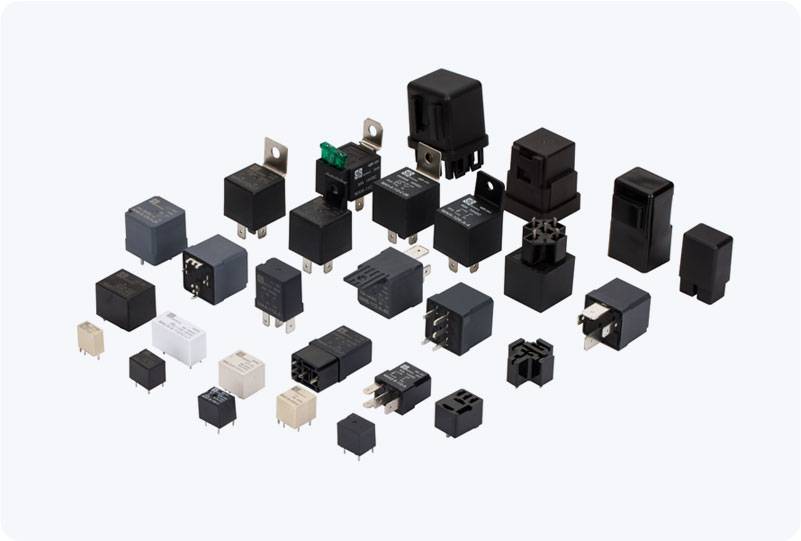
What is a Starter Motor Relay? A starter motor relay is an electromagnetic switch that connects the battery to the starter motor in response to a signal from the ignition switch. When the driver turns the key in the ignition, the relay receives a low-voltage signal from the ignition system. This triggers the relay to close the circuit, allowing high-voltage current from the battery to flow directly to the starter motor, thus initiating the engine-starting process. How Does it Work? The operation of the starter motor relay involves a few key steps: Signal Reception: When the ignition key is turned to the “start” position, the ignition switch sends a low current (usually around 12 volts) to the relay’s coil.