Temperature Control Relays (TCRs) are essential components used to regulate and maintain temperatures within certain systems and devices. Whether in industrial machinery, household appliances, or heating and cooling systems, TCRs play a crucial role in ensuring optimal performance, energy efficiency, and safety. These relays function as the brain of temperature control systems, responding to temperature variations and activating or deactivating equipment accordingly. This article delves into the working principle, applications, and significance of Temperature Control Relays in modern technology.
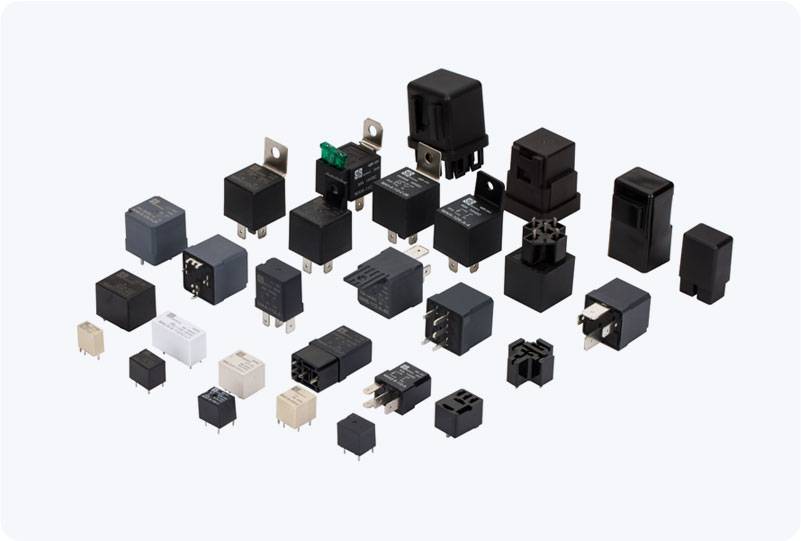
Working Principle of a Temperature Control Relay At its core, a Temperature Control Relay is designed to maintain the temperature of a system within a set range. The relay is composed of a temperature sensor, a control circuit, and a set of relay contacts. The temperature sensor, often a thermistor or a thermocouple, continuously monitors the temperature of the system it is integrated into. Once the temperature reaches a certain threshold, the control circuit activates or deactivates the relay contacts to either turn the heating or cooling equipment on or off. For example, in a heating system, when the temperature falls below the pre-set value, the TCR will activate the heating element to warm the system. Conversely, when the temperature exceeds the upper limit, the relay will turn off the heating element to prevent overheating. This process is automatic, requiring little to no human intervention, ensuring that the system remains within the desired temperature range.