In the fast-paced world of industrial automation, safety is a paramount concern. From heavy machinery to automated assembly lines, ensuring the protection of both equipment and personnel is crucial. This is where Safety Relays come into play. These electrical components are designed to monitor and manage safety signals, helping prevent accidents and mitigate risks associated with machine operation. In this article, we will explore what Safety Relays are, how they work, their importance in industrial environments, and the standards that govern their use.
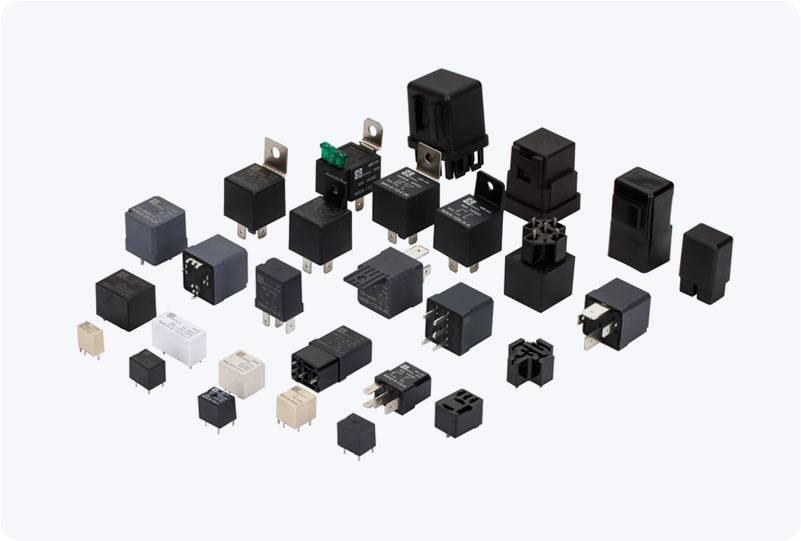
What is a Safety Relay? A Safety Relay is an electronic device used to ensure the safe operation of machines and systems by monitoring safety signals. It acts as an intermediary between safety devices (such as emergency stop buttons, safety light curtains, or door interlocks) and the machine control system. When a safety hazard is detected, the relay interrupts the control circuit, thereby preventing the machine from continuing its operation and reducing the risk of accidents or injuries. How Does a Safety Relay Work? Safety Relays typically consist of two or more channels to ensure redundancy, providing a higher level of reliability. The two main components of a safety relay are input and output circuits. The input side connects to safety sensors, such as safety switches or emergency stop buttons, while the output side connects to the machine control system.