Precharge relays play a crucial role in high voltage electronic systems, particularly in applications involving electric vehicles (EVs), hybrid electric vehicles (HEVs), and power electronic devices like inverters and converters. These relays ensure the safe startup of circuits that operate under high-voltage conditions by controlling the charging of capacitors, preventing excessive inrush current, and protecting the system components. This article will explore the purpose, functionality, and significance of precharge relays, shedding light on their vital role in power electronics and automotive applications.
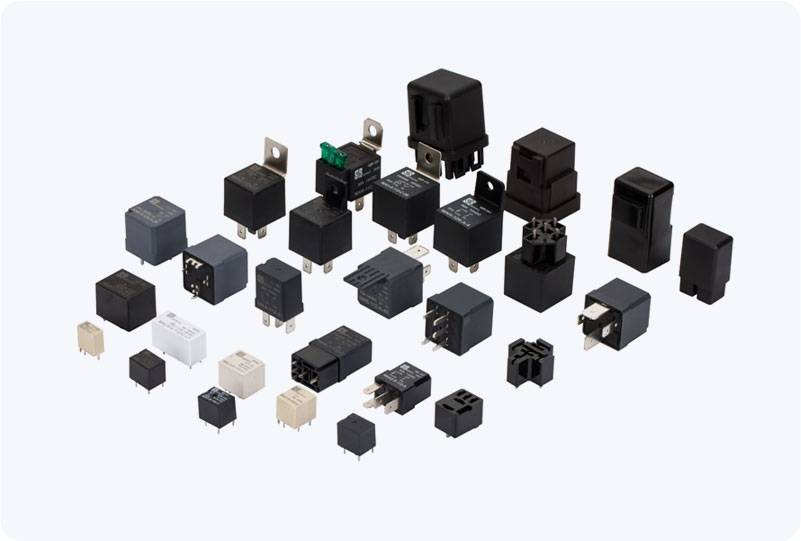
What is a Precharge Relay? A precharge relay is an electronic component used in power systems to gradually charge large capacitors when the system is powered on. These capacitors are typically found in power supply circuits that require high-voltage storage. When the system is first energized, the relay ensures that the current flowing into the circuit is limited to prevent damage caused by inrush current, which could otherwise exceed the safe operational limits of the system. The Role of Precharge Relay in High Voltage Systems In many power systems, such as electric vehicles and industrial machinery, capacitors are used to store electrical energy, ensuring the smooth operation of circuits and preventing power fluctuations. However, capacitors, especially large ones, draw a significant amount of current when they are first charged. Without proper management, this sudden surge of current can cause electrical components to overheat, leading to failures or even complete system breakdowns.