In industrial applications, motor protection is a top priority. One critical component in safeguarding motors from potential damage is the Motor Overload Relay (MOR). This simple yet highly effective device plays an essential role in preventing motor failures, prolonging motor life, and ensuring safe operation. Understanding how motor overload relays work, their types, and the benefits they offer is crucial for both technicians and engineers who rely on motors for smooth and efficient operations.
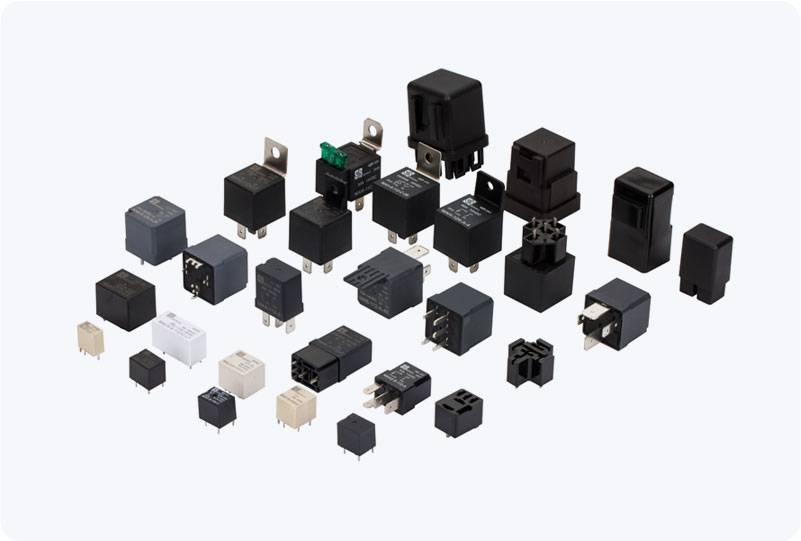
What is a Motor Overload Relay? A Motor Overload Relay is an electrical device that protects motors from running under excessive load conditions. Motors, especially in industrial and commercial environments, often operate under varying loads. When a motor is overloaded, it can result in overheating, insulation breakdown, and, ultimately, motor failure. The motor overload relay monitors the motor’s current and temperature, disconnecting the motor from the power supply when the load exceeds a safe threshold. The device essentially serves as a safeguard, ensuring that a motor only runs within its designed capacity. Without this protection, a motor could run until it fails, leading to costly repairs and downtime. Overload relays are typically installed in series with the motor and the power supply and work in conjunction with other motor control devices, such as contactors and motor starters.