Lock Out Tags (LOTO) are vital tools in ensuring workplace safety, particularly in industrial and high-risk environments. These safety measures are designed to prevent the accidental release of hazardous energy while maintenance work is being performed on machinery and equipment. In this article, we will explore the significance of lock out tags, their components, and the critical role they play in protecting workers from potential harm.
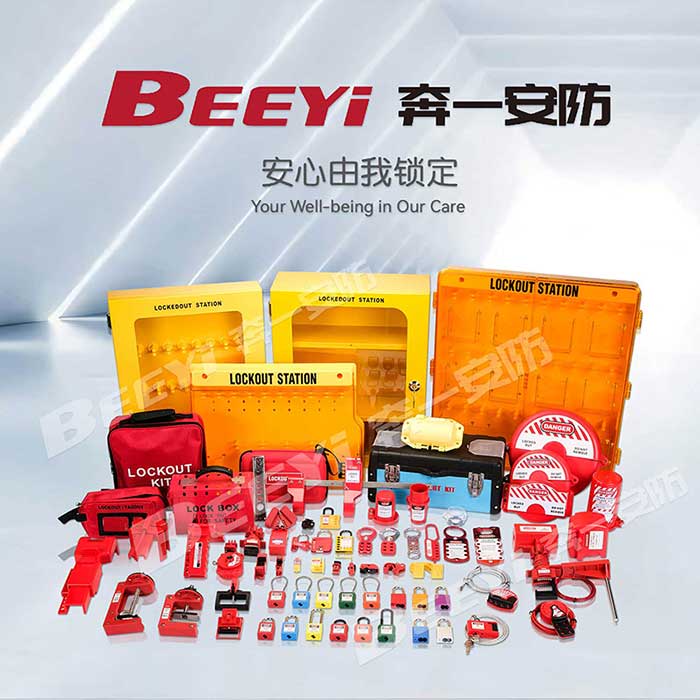
What Are Lock Out Tags? Lock out tags are part of a broader safety protocol known as Lockout/Tagout (LOTO), which is used to control hazardous energy during maintenance and servicing tasks. This system involves physically locking machinery or equipment into a safe state by isolating its energy sources and tagging it with a warning. The lock prevents the equipment from being re-energized, while the tag communicates that the equipment is being worked on and must not be operated until it is deemed safe to do so. In practice, LOTO procedures are essential in industries such as manufacturing, construction, chemical processing, and utilities, where machinery and systems contain dangerous or volatile energies that could cause injury or death if improperly handled.