The rise of electric vehicles (EVs) has brought significant changes to the automotive industry, particularly in the way we think about energy consumption and charging infrastructure. A crucial component in this transition is the EV relay, governed by international standards such as IEC 61811. This standard focuses on the design, performance, and safety requirements of relays used in electric vehicle charging systems. In this article, we will explore the importance of the IEC 61811 EV relay, its key features, and its role in ensuring safe and efficient EV charging.
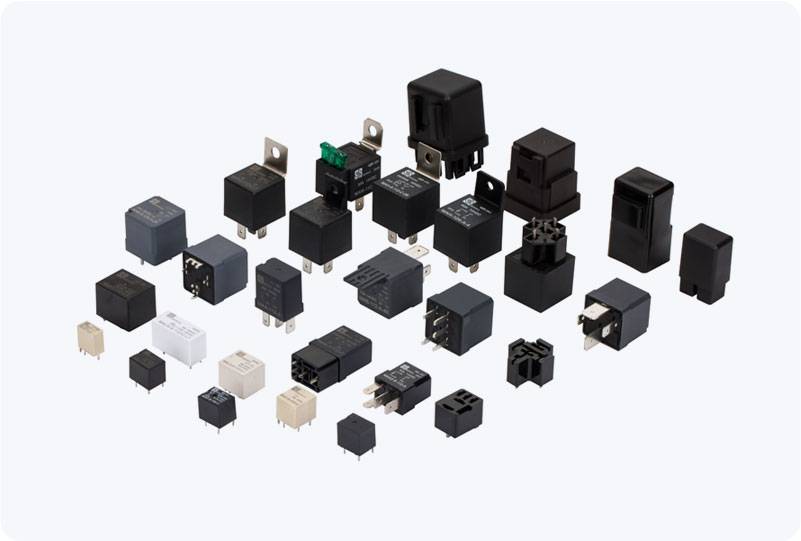
What is IEC 61811? IEC 61811 is an international standard developed by the International Electrotechnical Commission (IEC) that addresses the technical requirements for relays in electrical systems. Specifically, IEC 61811 applies to relays used in electric vehicle charging infrastructure, which are essential for controlling the flow of electricity during the charging process. These relays perform vital functions such as switching, protection, and ensuring that the EV is safely charged without overloading the system. Key Features of the IEC 61811 EV Relay The IEC 61811 standard outlines several critical features and performance criteria for EV relays. These features ensure that relays are robust, reliable, and capable of withstanding the electrical demands of modern electric vehicles.