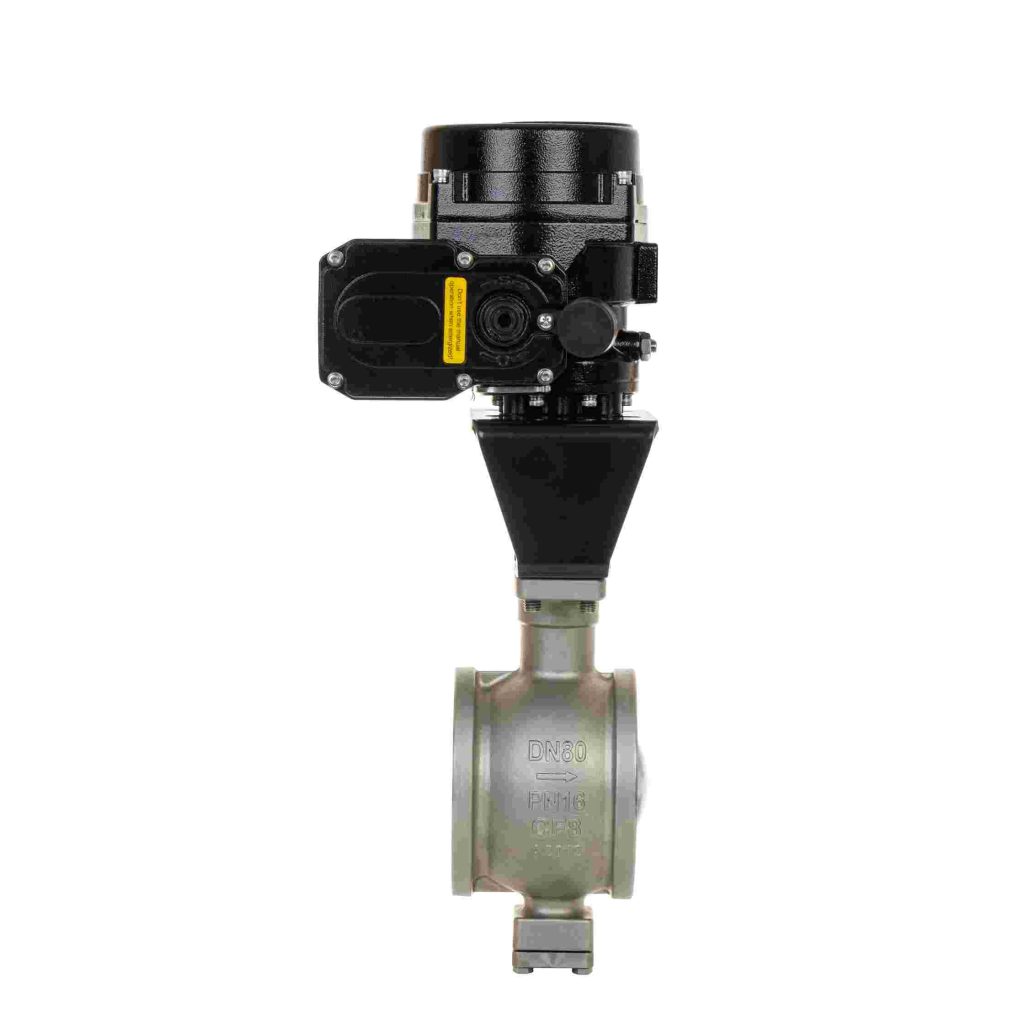
The Hydrogen Energy Electric V-Ball Valve is a critical component in modern hydrogen energy systems, particularly in the regulation of hydrogen gas flow within storage, distribution, and transportation networks. As the world transitions toward more sustainable energy sources, hydrogen is rapidly emerging as a clean, efficient, and versatile fuel option. In such a dynamic energy landscape, components like the Electric V-Ball Valve are vital for ensuring the safety, efficiency, and reliability of hydrogen systems.
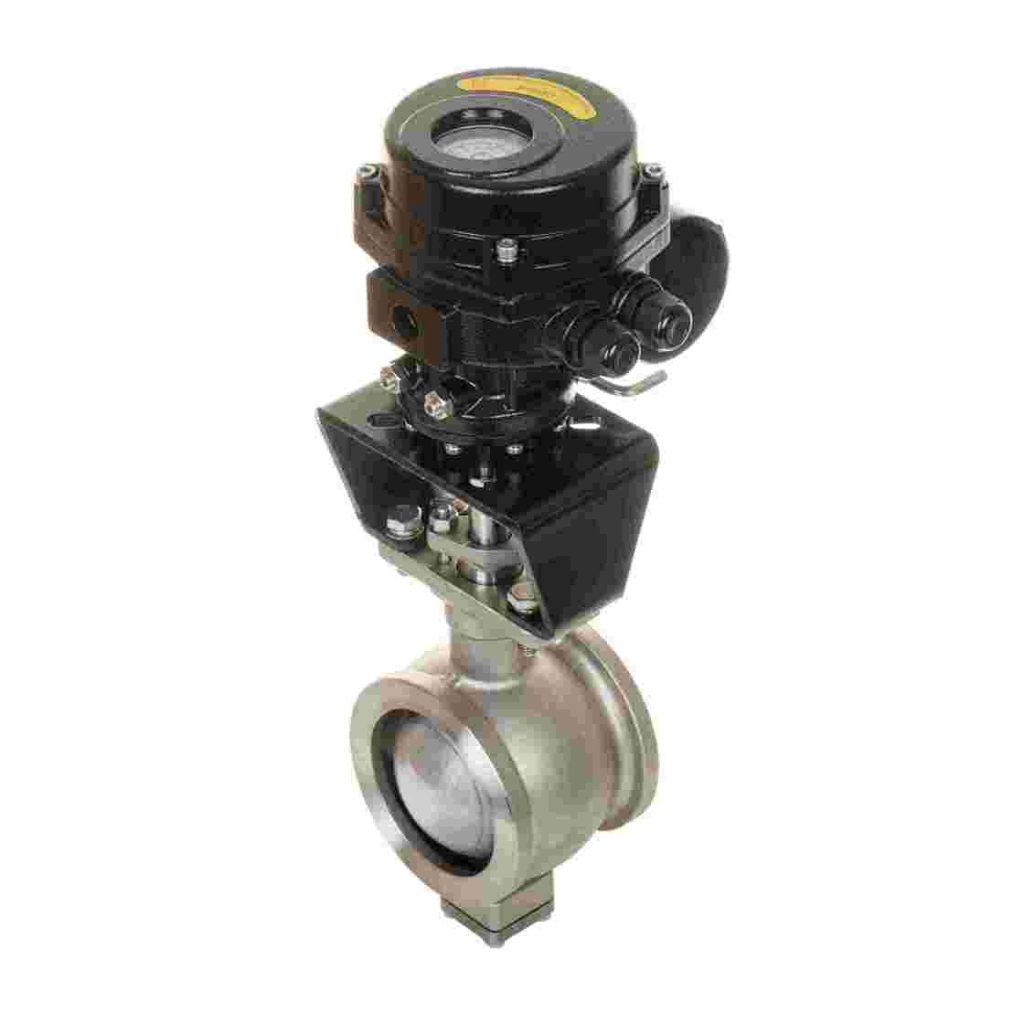
What is a Hydrogen Energy Electric V-Ball Valve?
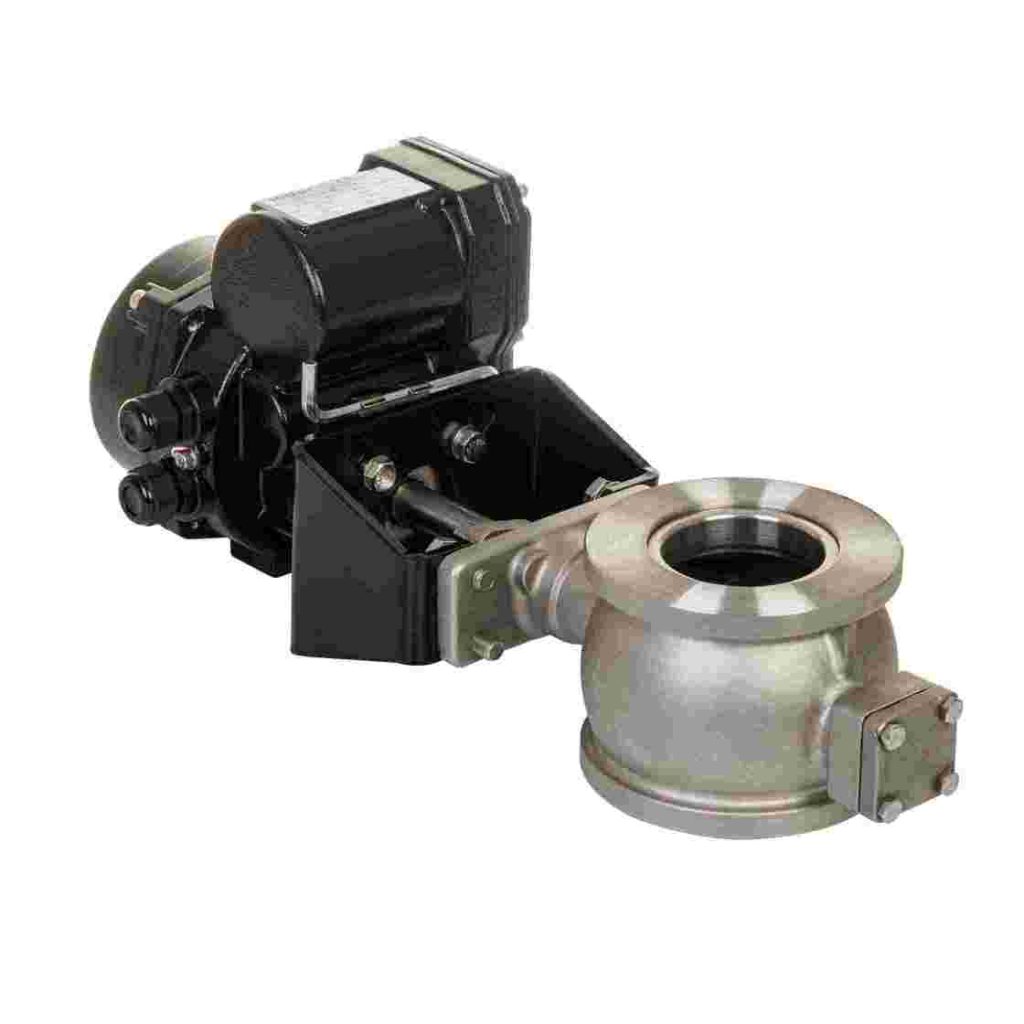
A Hydrogen Energy Electric V-Ball Valve is an advanced type of ball valve that combines the precision of a V-shaped ball with electric actuation. The V-shaped ball is designed to offer enhanced flow control, especially in applications where precise regulation of gas or liquid flow is crucial. The valve is typically used to manage the flow of hydrogen gas in various stages of production, storage, transportation, and use in fuel cells or other hydrogen-powered systems. The electric actuation feature is what sets this valve apart from traditional manual or pneumatic valves. The electric actuator allows for remote operation and precise control over the valve’s opening and closing, ensuring that the hydrogen flow is adjusted according to the needs of the system. This level of control is essential in managing the unique challenges presented by hydrogen’s properties, such as its low density and high flammability.