The High Voltage DC Main Relay is an essential device in numerous electrical systems, particularly in applications involving high voltage direct current (HVDC) transmission. As the demand for more efficient power transmission grows, the relevance of high voltage DC technology has surged, making an understanding of components such as the main relay indispensable for engineers and technicians alike. This article will explore the functionality, design considerations, and applications of High Voltage DC Main Relays.
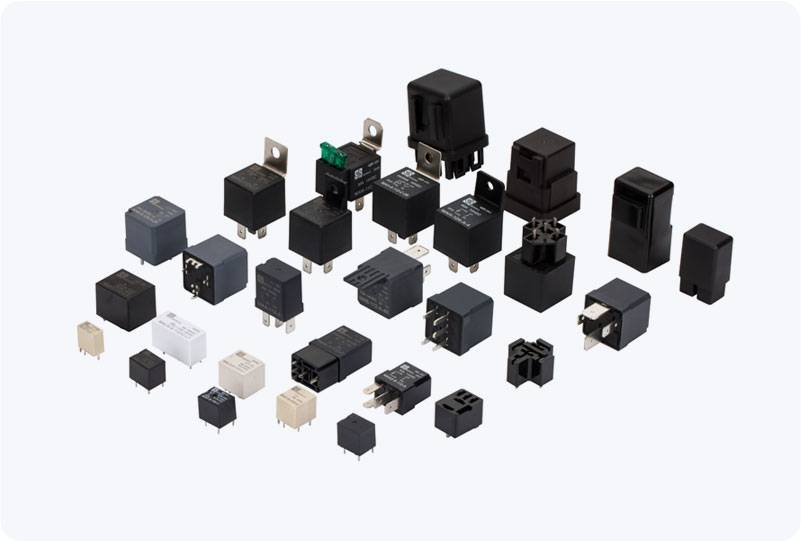
What is a High Voltage DC Main Relay? In essence, a high voltage DC main relay is an electromechanical switch designed to manage the flow of high voltage direct current in electrical circuits. Its primary purpose is to control the opening and closing of a circuit, thus enabling or disabling electrical power to various devices. Operating under significant voltages—often exceeding hundreds of volts—this relay serves critical roles in ensuring efficient power distribution and equipment safety. Functionality The primary functionality of the High Voltage DC Main Relay lies in its ability to control the current flow within a system. This control mechanism can be employed in several contexts, such as starting or stopping motors, protecting electrical equipment from overload or short circuits, and switching between different power sources.