An AC Solenoid Valve is a type of valve that uses an electromagnetic force to control the flow of fluids, such as liquids, gases, or steam, within a system. These valves are designed to operate with alternating current (AC) electricity, allowing them to function in a wide variety of industrial and commercial applications. Their ability to efficiently control fluid flow with minimal human intervention has made them indispensable in modern engineering, automation, and fluid control systems.
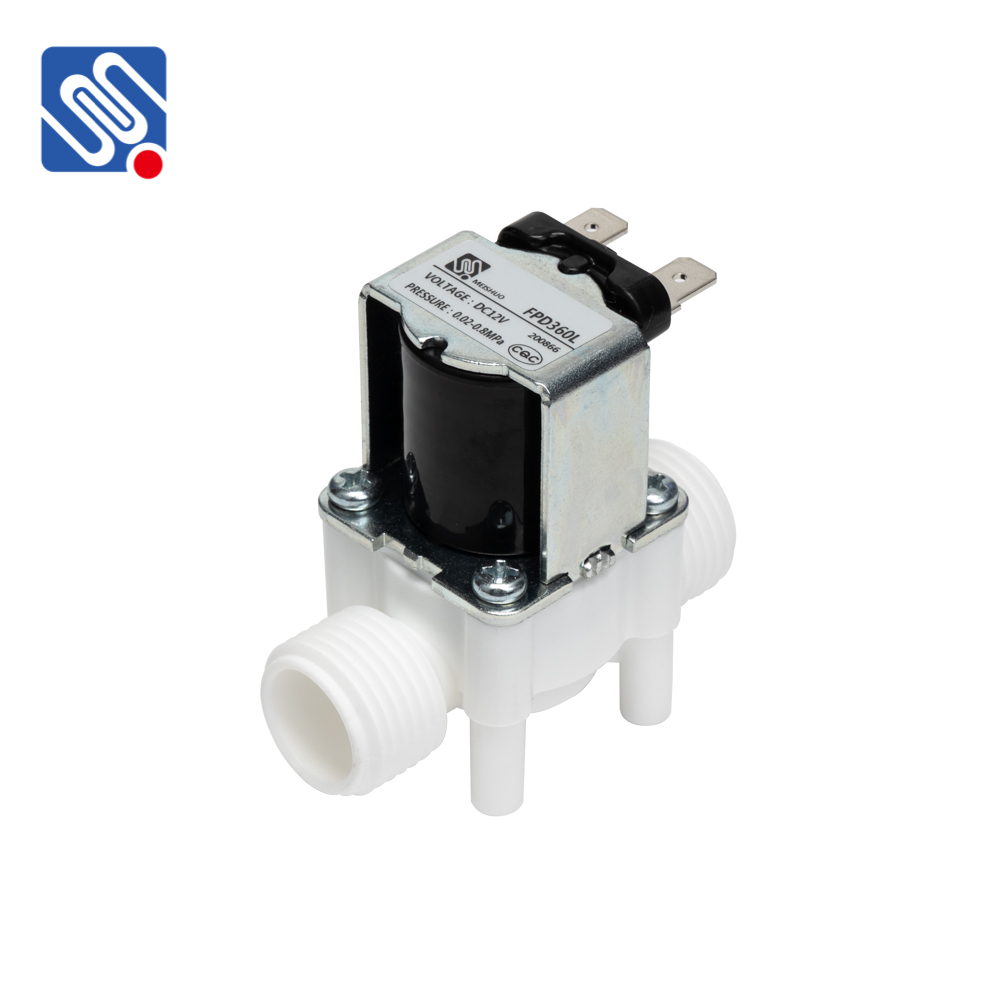
Working Principle of an AC Solenoid Valve The basic working principle of an AC solenoid valve is founded on the concept of electromagnetism. The valve consists of a coil of wire, known as the solenoid, through which an alternating current (AC) passes. When AC flows through the coil, it creates a magnetic field that acts upon a movable metal plunger or armature. This magnetic force pulls or pushes the armature, either opening or closing the valve, depending on the type of solenoid valve.
There are generally two main configurations for these valves: normally closed (NC) and normally open (NO). In the normally closed version, the valve remains closed when no current is applied, and it opens when the solenoid is energized. In contrast, the normally open valve remains open without power and closes when the solenoid is activated.