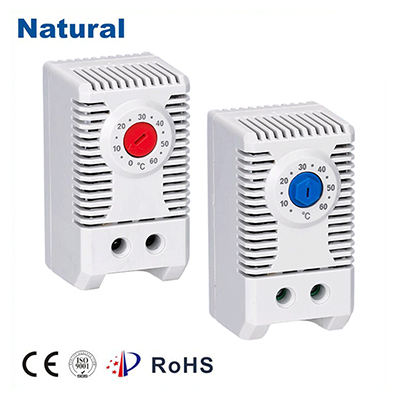
A bimetal thermostat is a type of temperature-sensing device that has found widespread use in various everyday appliances and industrial applications. Based on the unique properties of two different metals expanding at different rates when heated, a bimetal thermostat provides a simple yet effective means of temperature control. Its reliability, ease of use, and cost-effectiveness make it an indispensable component in many systems that require automatic temperature regulation. In this article, we will explore how a bimetal thermostat works, its primary applications, and its advantages and limitations.
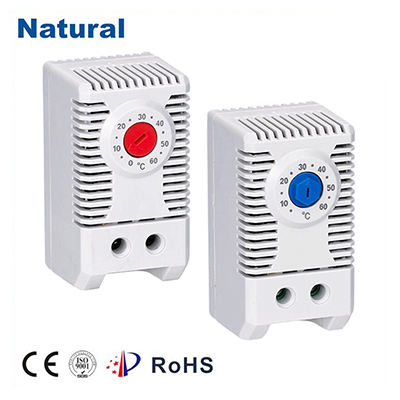
What is a Bimetal Thermostat?
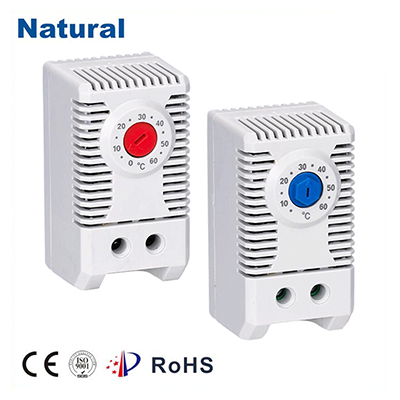
A bimetal thermostat consists of two strips of different metals bonded together. The metals are selected based on their differing rates of expansion when exposed to heat. The key feature of this device is that as the temperature increases, the metal with the higher coefficient of expansion will expand more than the other, causing the bimetal strip to bend. This bending action triggers the switching mechanism of the thermostat, either opening or closing an electrical circuit to control the flow of current to the appliance. The bimetal strip is usually made from a combination of metals such as brass and steel, or copper and iron, which have different thermal expansion rates. This difference in expansion causes the strip to warp or flex when exposed to temperature changes. The design of the thermostat ensures that the bending of the metal is accurately aligned with the desired temperature settings.