A 12 Volt relay is a crucial electronic component that is widely used in electrical and automotive systems. It serves as a switch that is activated by a low-voltage control signal to control a high-voltage or high-current load. Relays, including the 12V version, provide a convenient and reliable way to control larger electrical circuits with a smaller, safer control circuit, making them an essential component in various applications, from automotive systems to industrial automation.
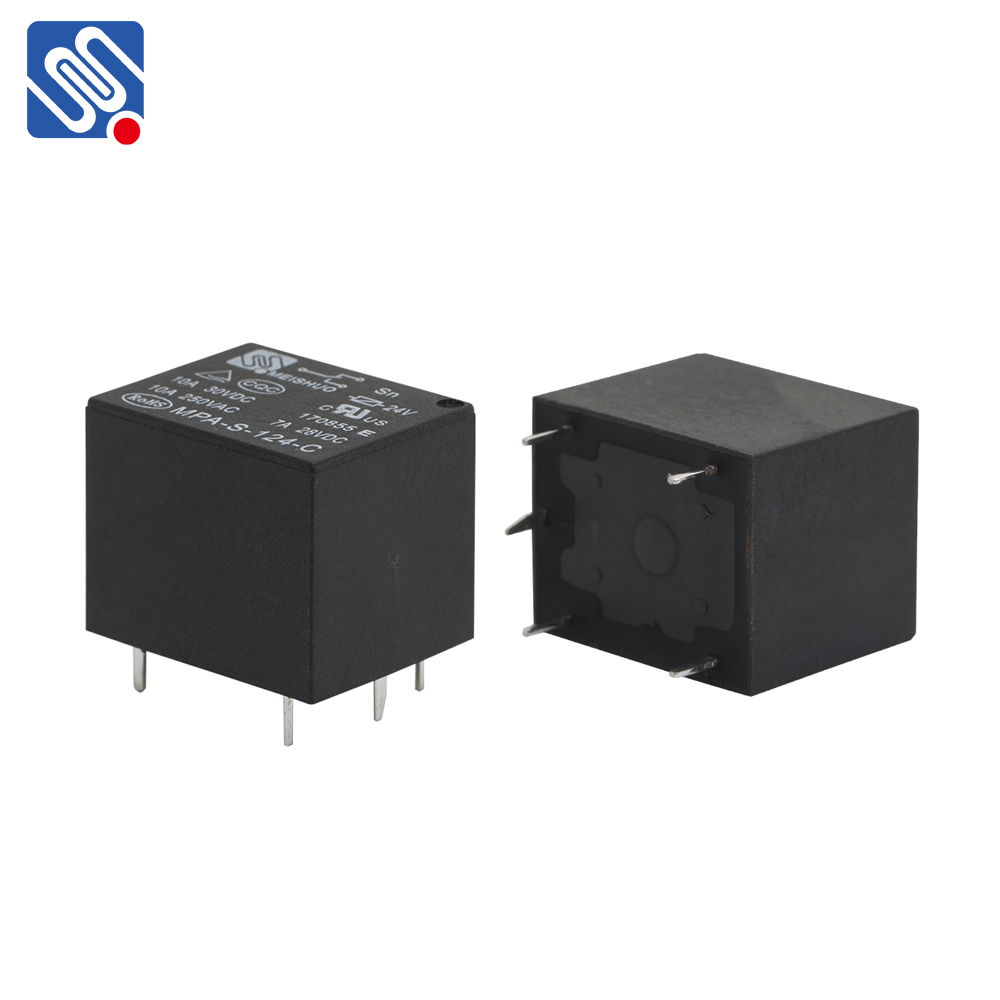
What is a 12 Volt Relay? A 12 Volt relay consists of an electromagnet (coil) and one or more sets of contacts. The coil requires a 12V DC (direct current) voltage to operate. When electrical current flows through the coil, it generates a magnetic field that either opens or closes a set of contacts. These contacts allow the relay to control the flow of electricity in a different circuit that operates at a higher voltage or current level. The relay typically features three main types of contacts: Normally Open (NO), Normally Closed (NC), and Common (COM). In the Normally Open (NO) configuration, the contacts remain open until the relay is energized. When energized, the contacts close, allowing the current to flow through the circuit. On the other hand, in the Normally Closed (NC) configuration, the contacts remain closed until the relay is activated, opening the circuit. The Common (COM) terminal is the central point where the circuit is completed.