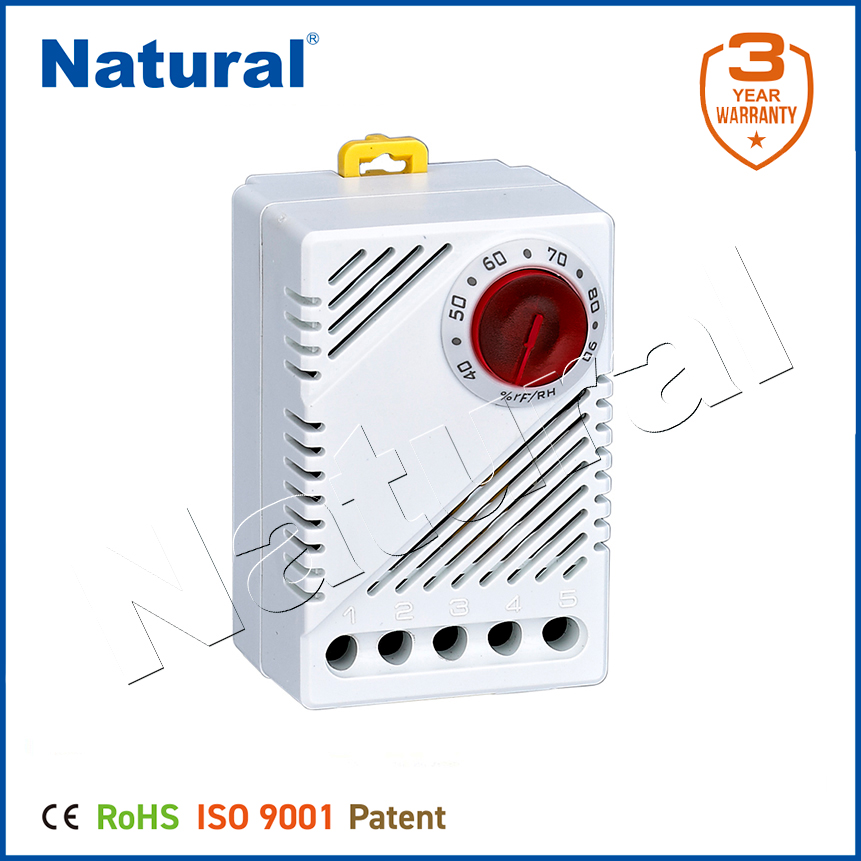
In various industries and applications, maintaining optimal humidity levels is crucial for ensuring product quality, comfort, and safety. One of the most effective devices for managing humidity is the electronic hygrostat. This article explores the workings, applications, and benefits of electronic hygrometers, shedding light on their importance in both residential and commercial settings.
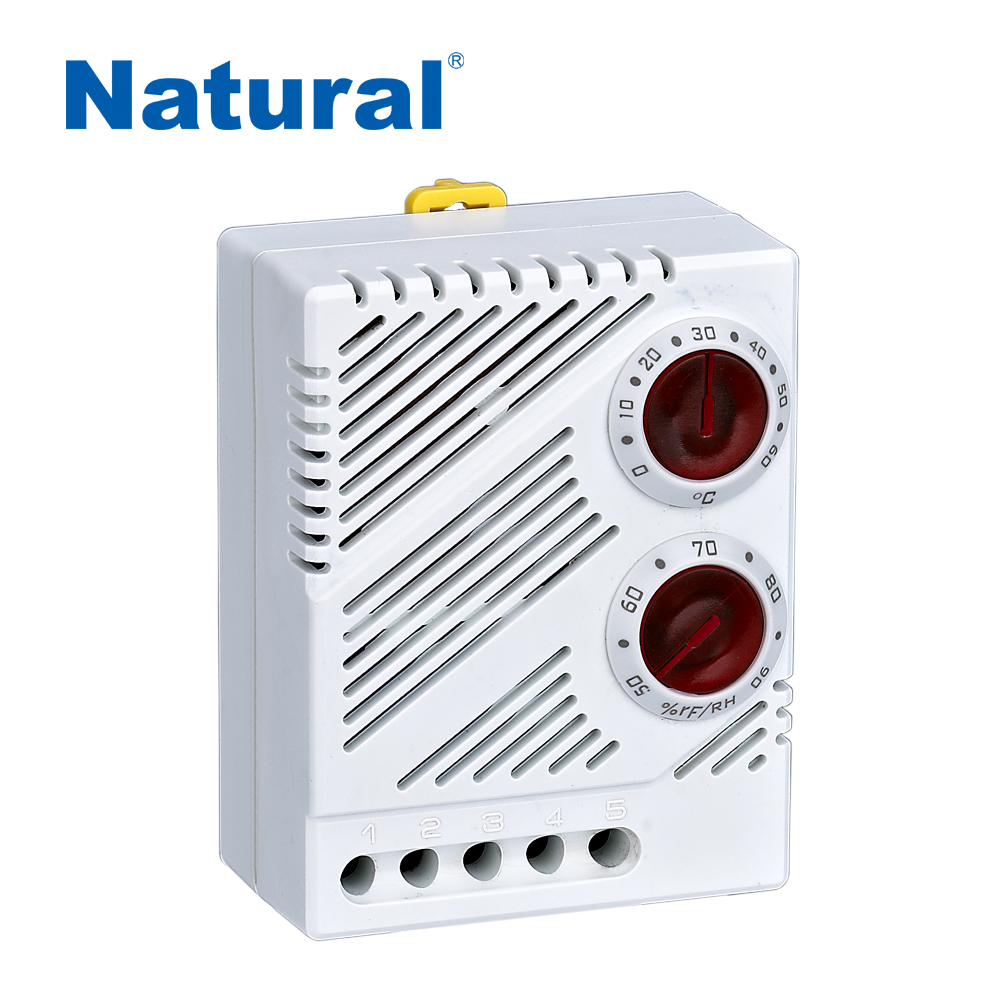
What is an Electronic Hygrostat?
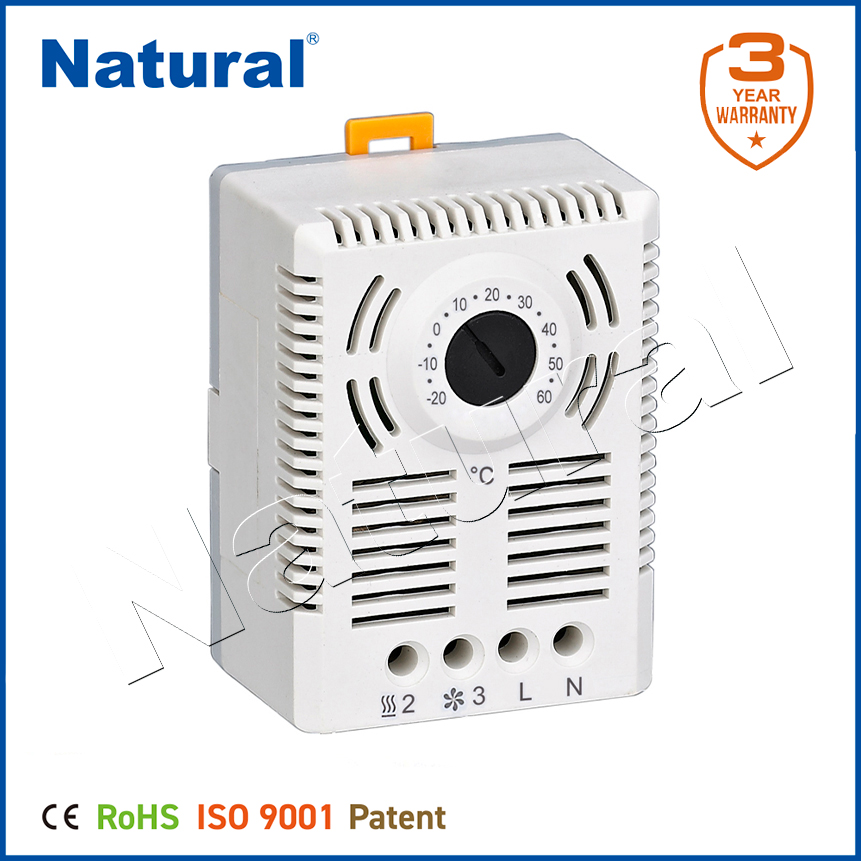
An electronic hygrostat is a sophisticated device that measures and regulates humidity levels in a given environment. Unlike traditional mechanical hygrostats, electronic models utilize advanced sensors and digital displays to provide accurate readings and automated control. These devices work by continuously monitoring the relative humidity (RH) in the air, allowing users to maintain desired humidity levels efficiently. How Does It Work? At the core of an electronic hygrostat is a humidity sensor, typically based on capacitive or resistive principles. These sensors detect changes in moisture content and convert that information into electrical signals. The hygrostat processes these signals and displays the current humidity level on a digital screen.