The electromechanical relay is one of the most fundamental components in electrical and electronic systems. For decades, it has served as a reliable method of controlling the flow of electricity in various applications, from household appliances to industrial machinery. This article will explore the basic principles behind the electromechanical relay, its applications, and its advantages, shedding light on why it remains a crucial element in modern electrical engineering.
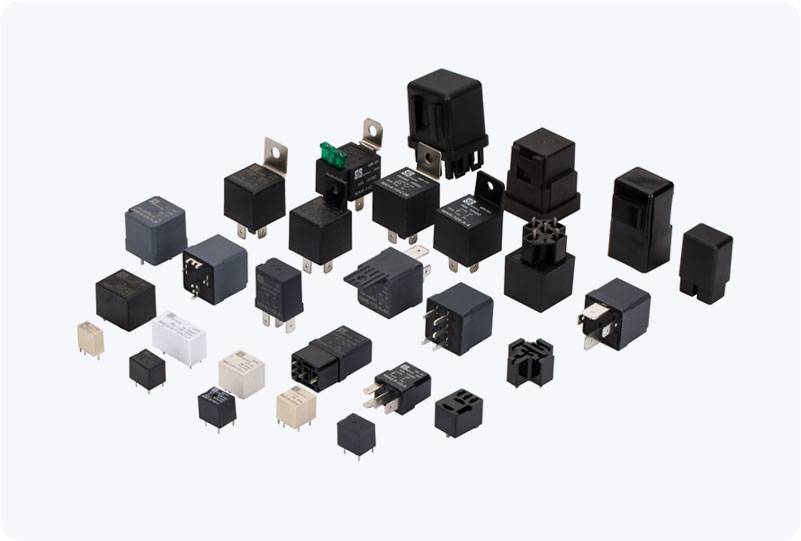
What is an Electromechanical Relay? An electromechanical relay (EMR) is a type of switch that uses an electromagnetic coil to operate a set of contacts. These relays allow a small electrical current to control the opening or closing of larger circuits, thereby enabling systems to control high-power devices with low-power signals. At its core, the electromechanical relay consists of an electromagnet (coil), an armature (a movable iron piece), and a set of contacts that change states (open or closed) when the relay is energized. The basic operation of an electromechanical relay is simple: when a current passes through the coil, it generates a magnetic field that attracts the armature, causing the contacts to move. This action either opens or closes the contacts, thereby controlling the flow of electricity to other components in the system. Once the current is removed from the coil, the magnetic field disappears, and the armature returns to its original position, restoring the state of the contacts.