The Electric Two-Seat Regulating Valve is a crucial component in modern industrial systems, providing precise control over fluid flow and pressure. This article delves into its design, function, and various applications, offering a comprehensive overview of its significance in industrial processes.
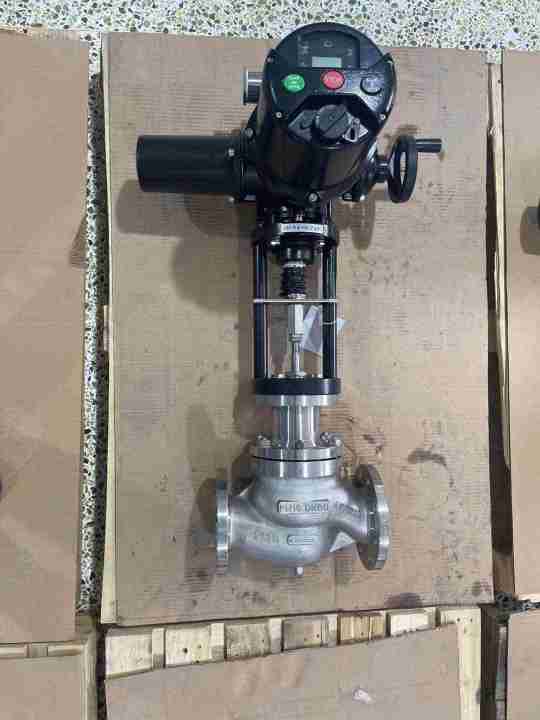
Design and Function The Electric Two-Seat Regulating Valve is characterized by its dual-seat design, which consists of two parallel seats that work in conjunction to regulate fluid flow. The primary function of this valve is to maintain a consistent flow rate and pressure within a system, ensuring optimal performance and efficiency. The “electric” aspect refers to the valve’s operation being controlled by an electric actuator, which allows for automated and precise adjustments. This valve’s design incorporates a stem and plug mechanism that moves up and down within the seats. The electric actuator, typically consisting of a motor and control circuitry, adjusts the valve position based on signals from a control system. This setup enables the valve to respond to varying process conditions and maintain the desired flow rates and pressures.