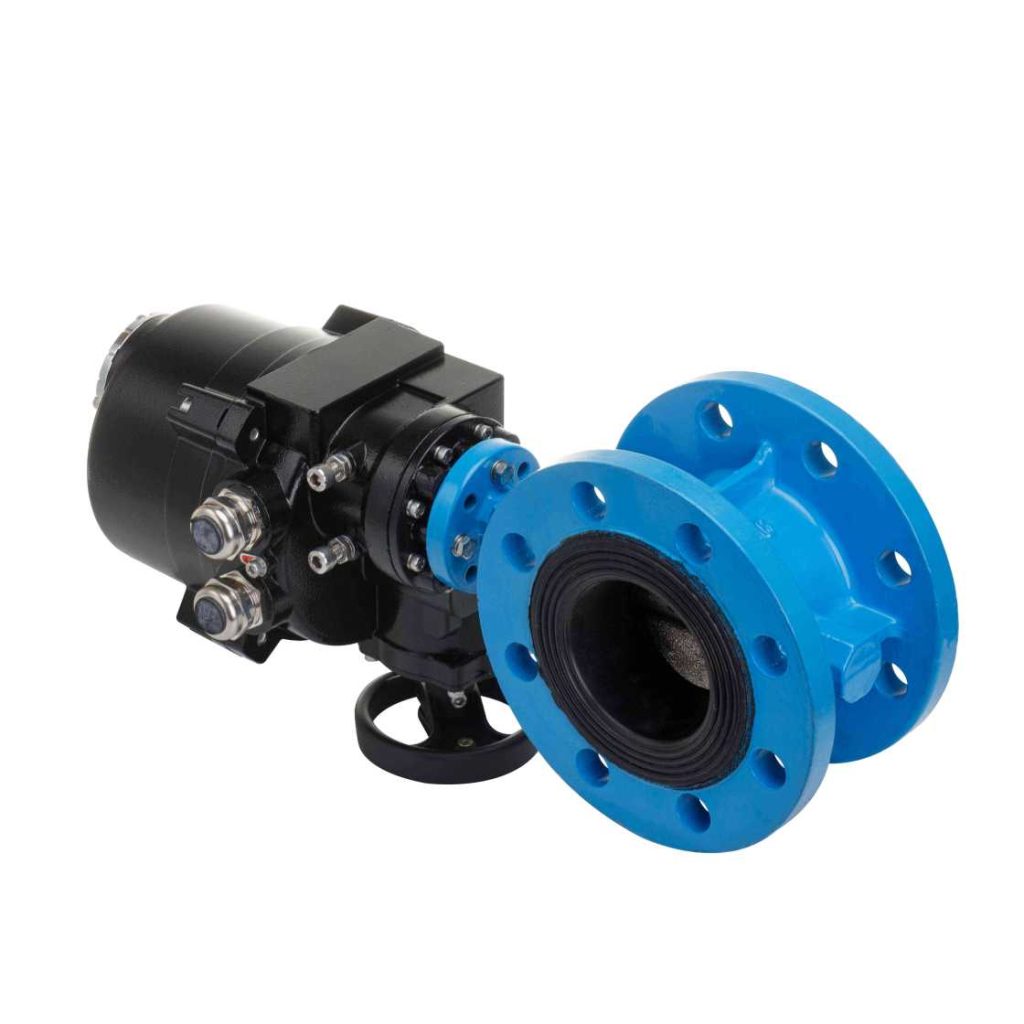
Theelectric flanged butterfly valveis a crucial component in various industrial applications, particularly in fluid control systems. Known for its efficiency and reliability, this valve type is widely utilized in sectors such as water treatment, chemical processing, and HVAC systems. This article delves into the design, functioning, advantages, applications, and maintenance of electric flanged butterfly valves, providing a comprehensive understanding of their significance in modern engineering.
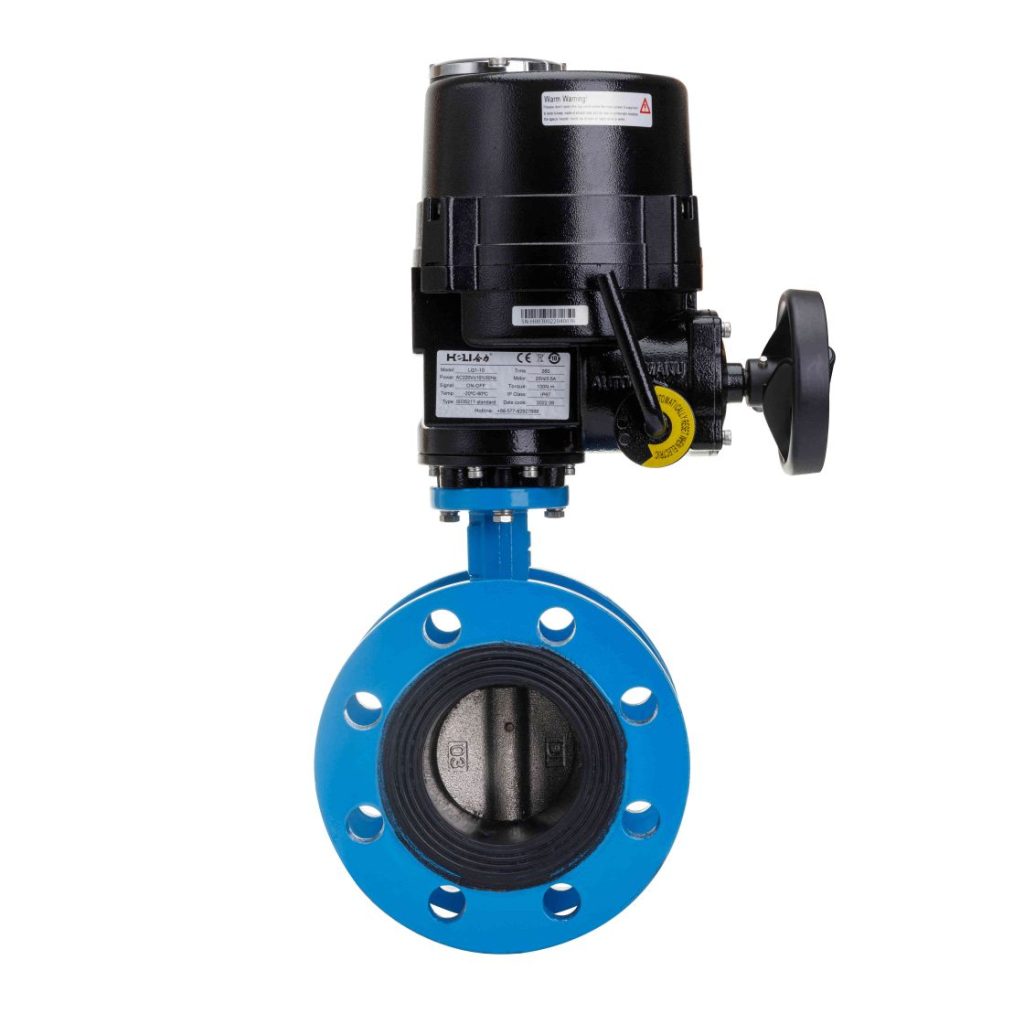
Design and Structure
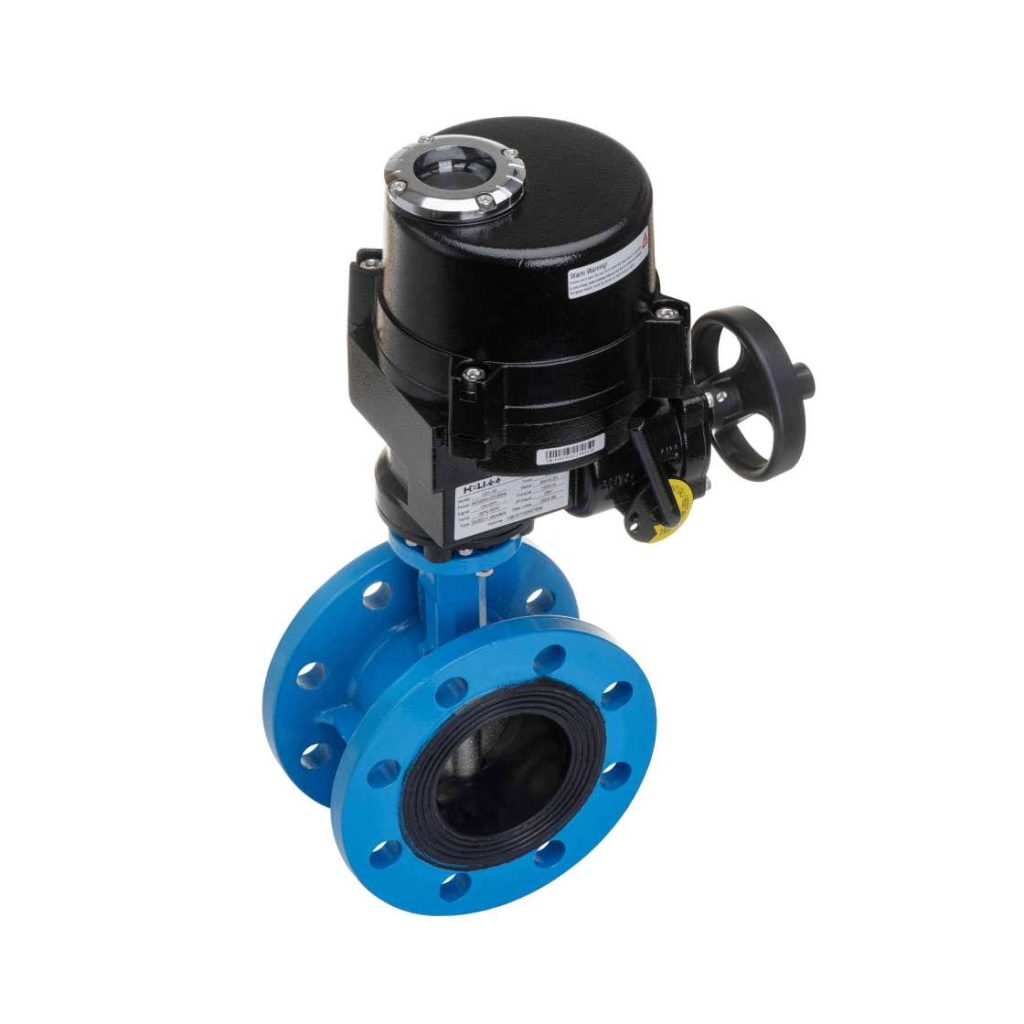
An electric flanged butterfly valve consists of a circular disc that pivots around a central axis. This disc is mounted in the middle of a pipe and is operated using an electric actuator, which allows for precise control over the flow of fluids. The flanged design refers to the valve’s end connection, which features raised edges (flanges) that provide a secure attachment to the piping system. The materials used in constructing these valves vary, with options including cast iron, stainless steel, and plastic. The choice of material depends on the application requirements, such as pressure, temperature, and the type of fluid being handled. The valve seat is often made of elastomeric materials to ensure a tight seal, preventing leakage and ensuring efficient operation.