The Dual Relay Module is a crucial component in the world of electronics and automation. It acts as an intermediary between a low voltage control system, like a microcontroller (e.g., Arduino or Raspberry Pi), and high voltage electrical devices. This module, often consisting of two relays, allows the user to control high power equipment through low power signals. In this article, we will delve into what a Dual Relay Module is, its working principle, applications, and its significance in various projects.
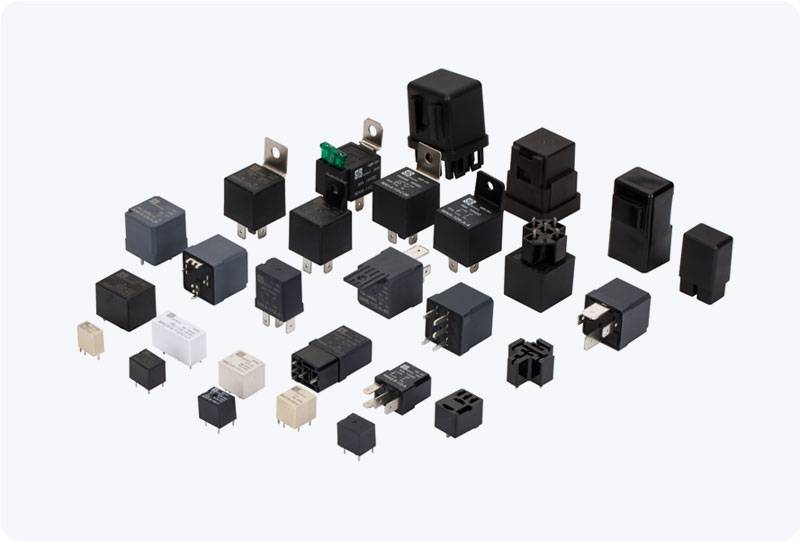
What is a Dual Relay Module? A Dual Relay Module is an electronic circuit that contains two relays, which are essentially electrically operated switches. Relays can be used to control devices that operate on higher voltages (typically 110V AC or 220V AC) by using a low voltage signal (such as 3.3V or 5V). These modules are typically designed to work with microcontrollers like Arduino, Raspberry Pi, and ESP32, and they provide an easy way to interface with external devices such as lights, motors, and other home appliances. Each relay within the module can be independently controlled, allowing you to switch two separate devices on or off. The module usually has a set of control pins to interface with the microcontroller, as well as the necessary power input and relay output terminals to connect external loads.