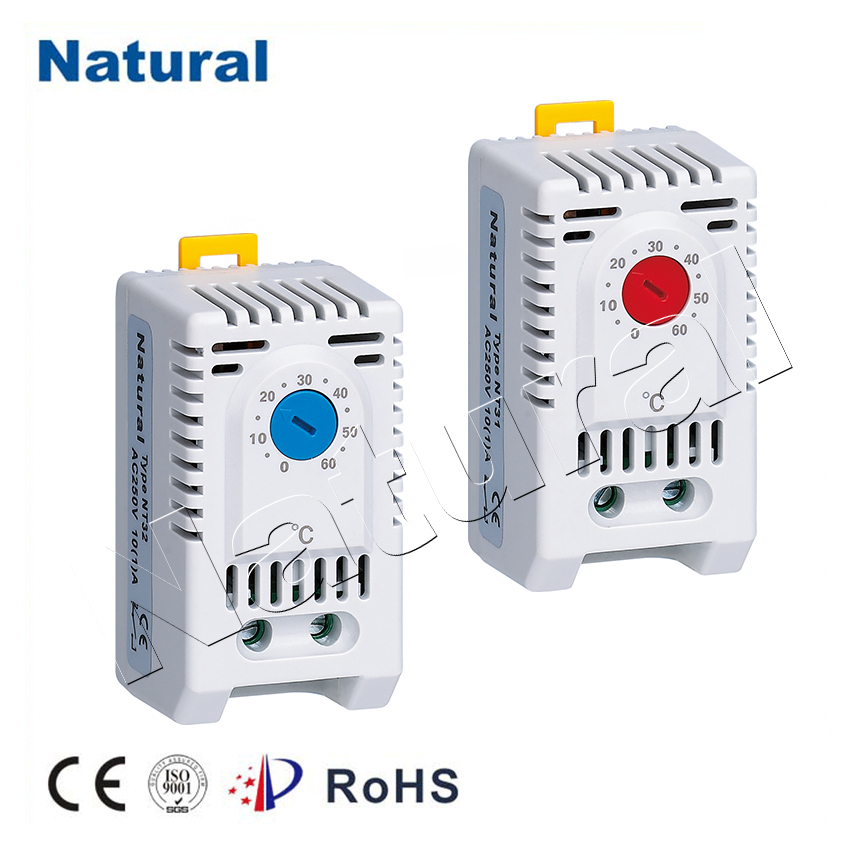
A DIN thermostat is a specialized temperature control device designed according to the Deutsches Institut für Normung (DIN) standards, ensuring reliability, ease of integration, and compatibility with industrial and household systems. These thermostats are widely used in various applications, particularly in industrial automation, HVAC systems, and heating or cooling systems. With their ability to regulate temperature efficiently, DIN thermostats have become an essential component in maintaining optimal operational environments across a wide range of sectors.
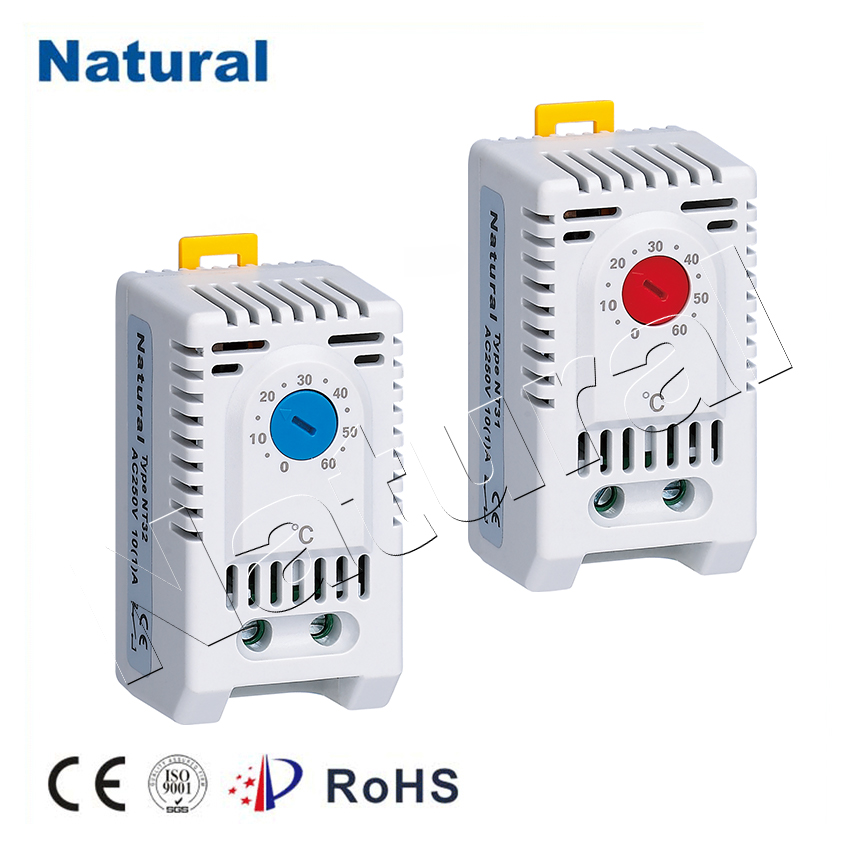
What is a DIN Thermostat?
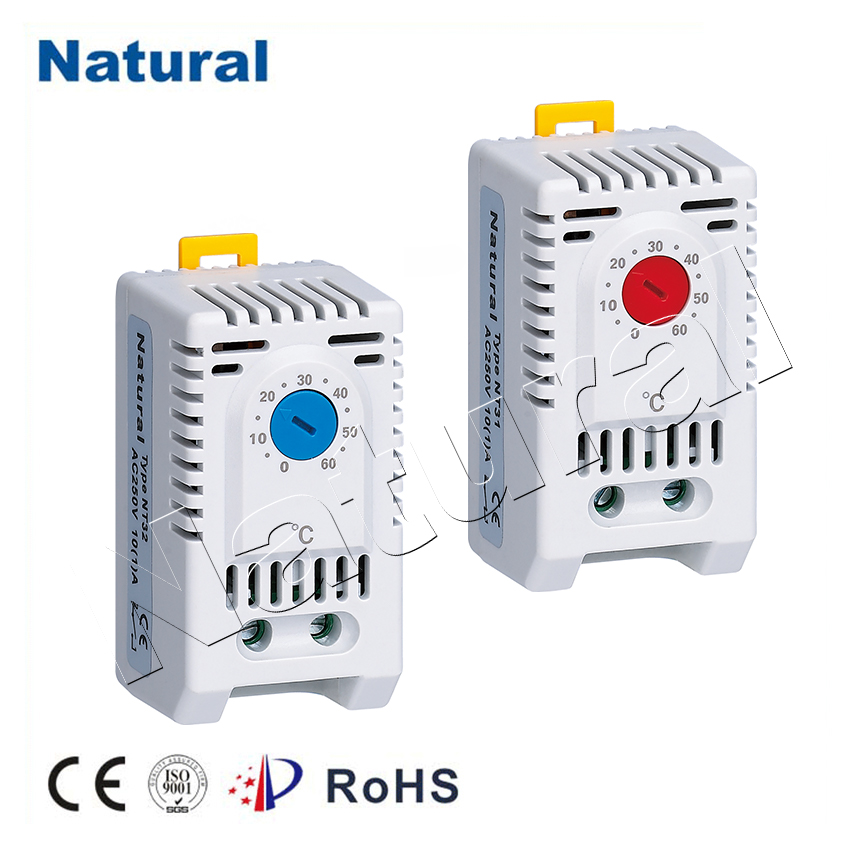
The term “DIN thermostat” refers to a temperature-regulating device that adheres to the DIN standards set by the German Institute for Standardization. The DIN standards for thermostats ensure that these devices are compatible with equipment and systems that follow these international regulations. In essence, a DIN thermostat is designed to fit into a DIN rail, a standardized metal rail commonly used for mounting electrical components in industrial settings. DIN thermostats typically feature a simple design that includes a temperature sensor, a control unit, and a switching mechanism. The temperature sensor continuously monitors the environment’s temperature, while the control unit processes this data to determine whether heating or cooling should be activated. Once the desired temperature threshold is crossed, the switching mechanism activates or deactivates the heating or cooling systems accordingly.