In the realm of electrical engineering and automation, safety is paramount. One of the essential components that ensure the safety and longevity of electric motors and other equipment is the Current Overload Relay. This protective device serves as a safeguard against the dangers of overcurrent conditions, which can lead to equipment failure, fires, or even electrical accidents. This article delves into the function, features, applications, and importance of Current Overload Relays.
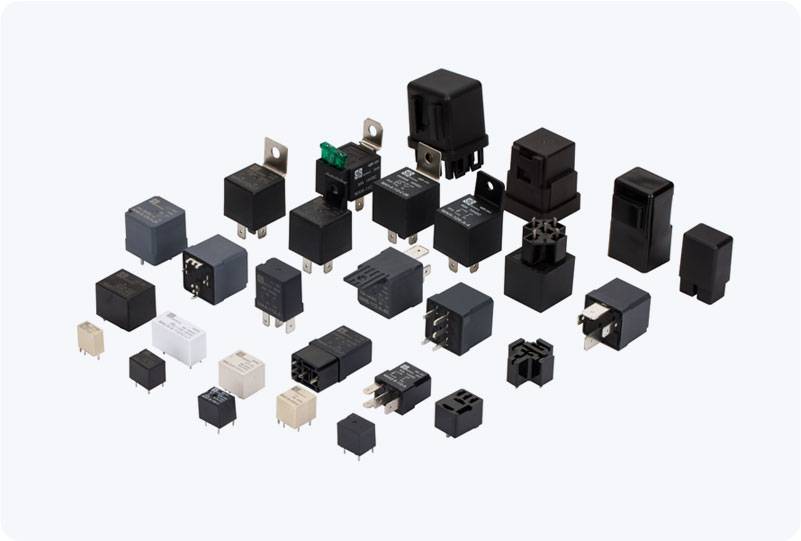
What is a Current Overload Relay? A Current Overload Relay is an electromechanical device designed to monitor the current flowing through an electrical circuit. When the current exceeds a predetermined threshold, the relay activates a mechanism that will interrupt the circuit. This protection mechanism is critical for various types of electrical equipment, particularly electric motors, which are prone to overload conditions under certain operational circumstances. How Does it Work? The working principle of a Current Overload Relay can be understood through two main types: thermal overload relays and electronic overload relays.