The cooling system relay is an essential component in the automotive cooling system, playing a crucial role in maintaining the engine’s optimal operating temperature. Understanding how this relay works, its functions, and its potential issues can help vehicle owners appreciate its importance and ensure their vehicles run efficiently.
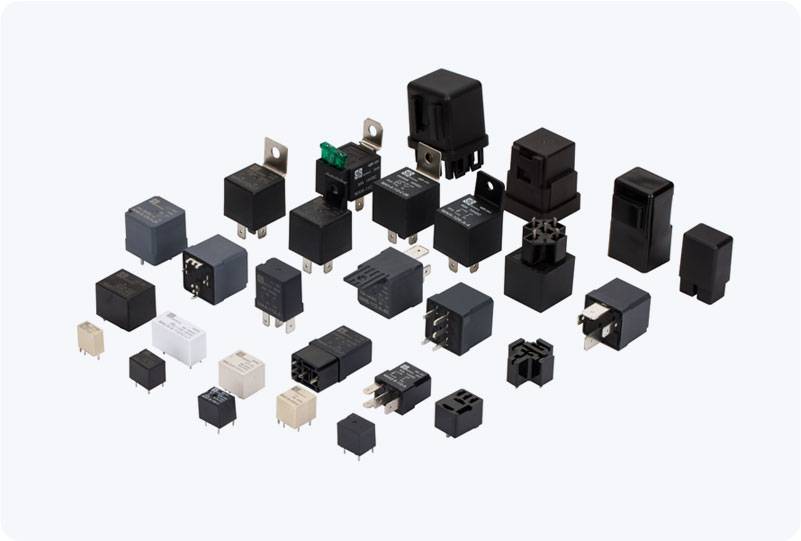
The Role of the Cooling System Before diving into the specifics of the cooling system relay, it’s essential to understand the broader context of the cooling system itself. The primary function of the cooling system is to regulate the engine temperature, preventing overheating, which can cause significant damage and reduce the engine’s lifespan. A well-balanced cooling system typically consists of a radiator, water pump, thermostat, hoses, and, importantly, the cooling fan activated by the cooling system relay. What is the Cooling System Relay? The cooling system relay is an electromechanical switch that controls the power supply to the radiator cooling fan. When the engine operates, it generates heat. If this heat is not adequately dissipated, the engine can overheat, leading to severe damage. The relay plays a vital part in activating the cooling fan when temperatures rise beyond an acceptable threshold.