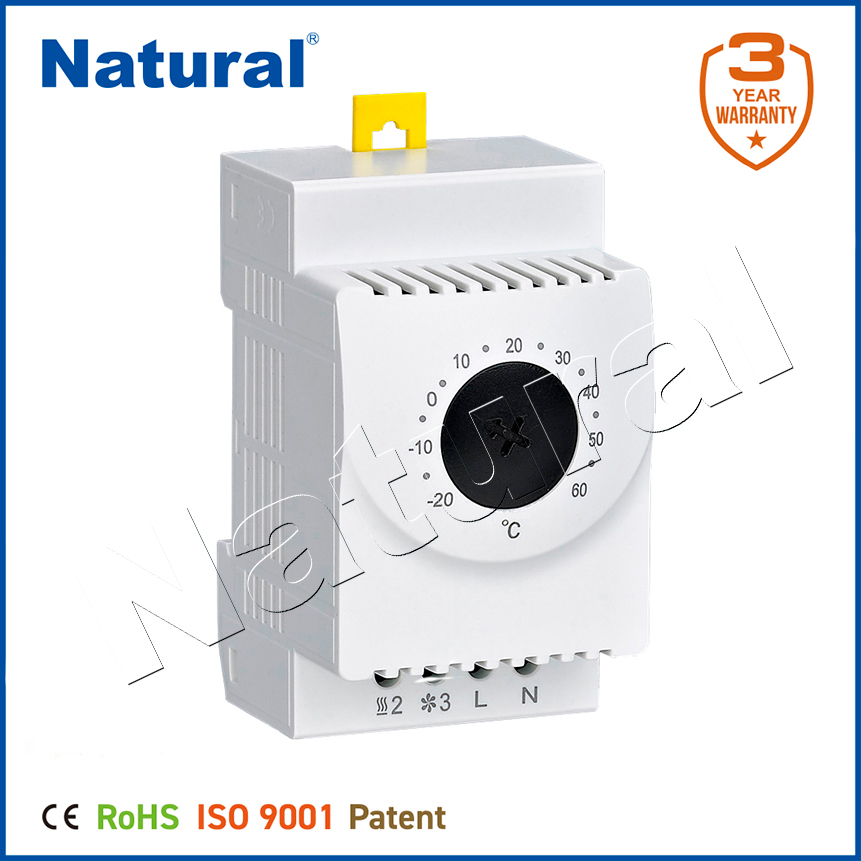
In recent years, electronic thermostats have become an essential component of modern homes, offering both convenience and energy efficiency. These devices, which are controlled by digital systems, have revolutionized the way we regulate indoor temperatures. With advances in technology, electronic thermostats are now smarter, more intuitive, and capable of learning our heating and cooling preferences. In this article, we will explore what an electronic thermostat is, how it works, and the numerous benefits it offers for homeowners and the environment.
What is an Electronic Thermostat?
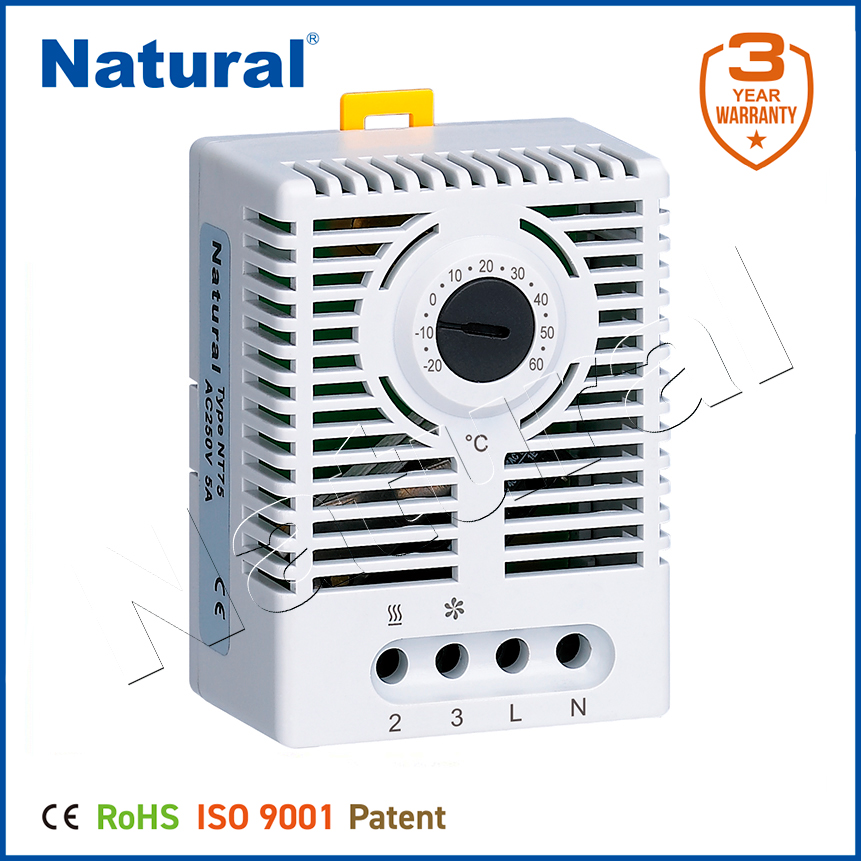
An electronic thermostat is a device used to control the temperature of heating, ventilation, and air conditioning (HVAC) systems. Unlike traditional mechanical thermostats, which rely on a bimetallic strip to detect temperature changes, electronic thermostats utilize digital sensors and microprocessors to provide more accurate and responsive control over indoor climate. These thermostats are typically equipped with a digital display that allows users to set desired temperatures with precision. How Does an Electronic Thermostat Work? At the heart of an electronic thermostat is its ability to continuously monitor the ambient temperature of a room. When the temperature deviates from the set point, the thermostat sends a signal to the HVAC system, instructing it to either heat or cool the space. The digital sensors in the thermostat ensure rapid response times, and because they can precisely measure temperature changes, they are more accurate than traditional mechanical systems.