Automotive relays play a vital role in modern vehicle electrical systems, and one of their most crucial applications is in controlling the headlights. The automotive relay for headlights ensures that the vehicle’s lighting system operates efficiently, reducing strain on electrical components and enhancing safety. In this article, we will delve into what a headlight relay is, how it functions, and why it is so important for the overall performance of the vehicle.
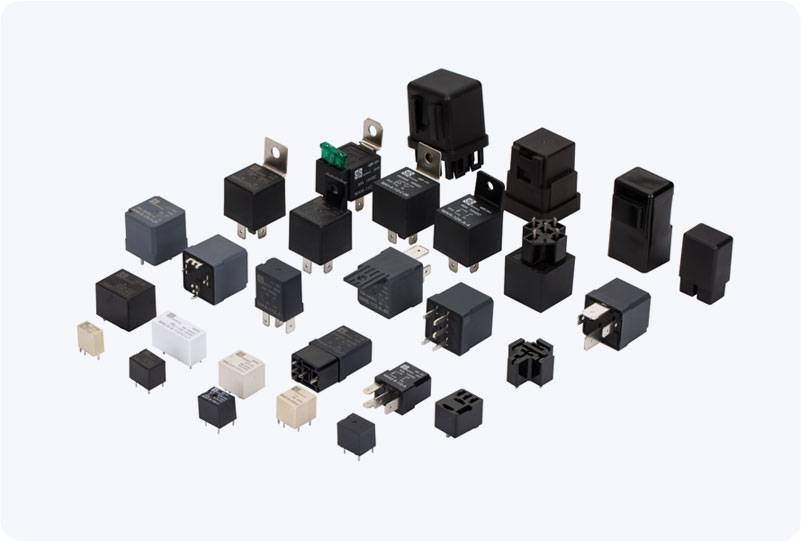
What is an Automotive Relay for Headlights? An automotive relay for headlights is an electrical switch that uses a small current to control a larger current. The purpose of this relay is to manage the power supply to the headlights without overloading the vehicle’s main switch, which is typically located on the dashboard or steering column. Headlights, especially in modern cars, require significant electrical power to operate at full brightness. By using a relay, the vehicle’s electrical system ensures that the headlights receive sufficient power without placing undue strain on the main wiring or switches.