The 30A power relay is an essential component in various electrical applications, playing a crucial role in controlling high current loads safely and effectively. Relays function as electrically operated switches, enabling a low-power control circuit to manage high-power devices, thus protecting delicate electronic components and enhancing overall system safety. This article explores the functionality, applications, benefits, and considerations involved with using a 30A power relay.
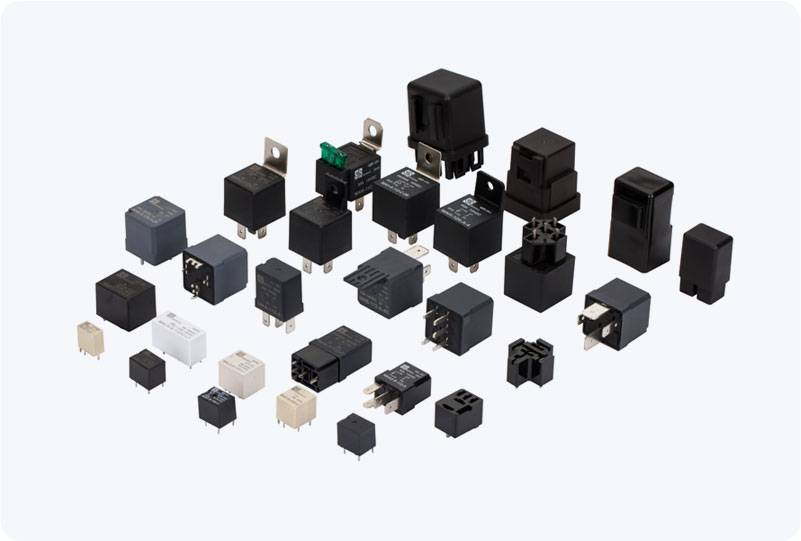
What is a 30A Power Relay? A 30A power relay is designed to handle up to 30 amperes of current. It typically operates on a lower voltage control signal; when energized, the relay closes or opens its contacts, thereby controlling a connected load. Power relays like this one come in various configurations, including Single Pole Single Throw (SPST) and Single Pole Double Throw (SPDT), catering to different circuit requirements. Working Principle The operation of a 30A power relay is based on electromagnetic induction. When a current flows through the coil, it generates a magnetic field that moves an armature, causing the contact points to either connect or disconnect. This mechanism allows a small control voltage to activate a much larger circuit, enabling the management of devices such as motors, pumps, and lighting systems without exposing sensitive electronics to high currents.