The 30A Power Relay is a crucial component in modern electrical systems, providing an efficient and reliable method to control high-current loads. As devices and machinery become more power-intensive, the need for robust and dependable switching mechanisms has grown, and the 30A Power Relay has emerged as a widely adopted solution. This article explores the features, applications, and advantages of the 30A Power Relay, shedding light on why it has become an indispensable element in both automotive and industrial electronics.
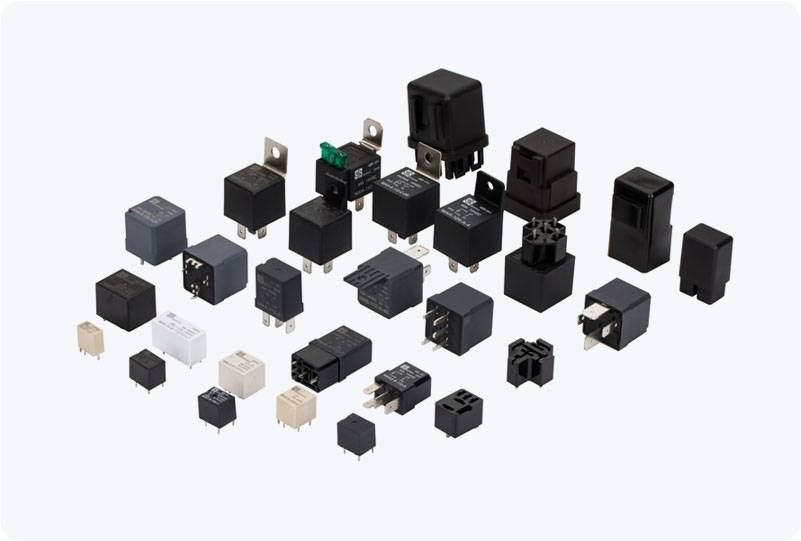
At its core, a 30A Power Relay is an electromechanical switch designed to handle currents up to 30 amperes. Unlike standard relays that operate at lower current levels, this relay is engineered to control substantial electrical loads without overheating or suffering from mechanical wear. Its ability to manage high current makes it ideal for controlling motors, lighting systems, heating elements, and other devices that require significant electrical power. One of the primary advantages of the 30A Power Relay is its versatility in voltage operation. These relays are commonly available in configurations suitable for 12V or 24V DC systems, making them compatible with automotive and industrial control circuits. Some models also support AC voltage operation, broadening their applicability to household appliances and industrial equipment. The relay’s interface often comes in either SPST (Single Pole Single Throw) or SPDT (Single Pole Double Throw) types, allowing users to select the appropriate switching mechanism based on their system requirements.