A 24VDC power relay is a critical component in various electrical systems, particularly in industrial automation, automotive, and household applications. As the name suggests, it operates on a 24V direct current (DC) input and is used to control higher-power circuits with lower current control signals. This article aims to explore the working principles, features, types, and applications of the 24VDC power relay.
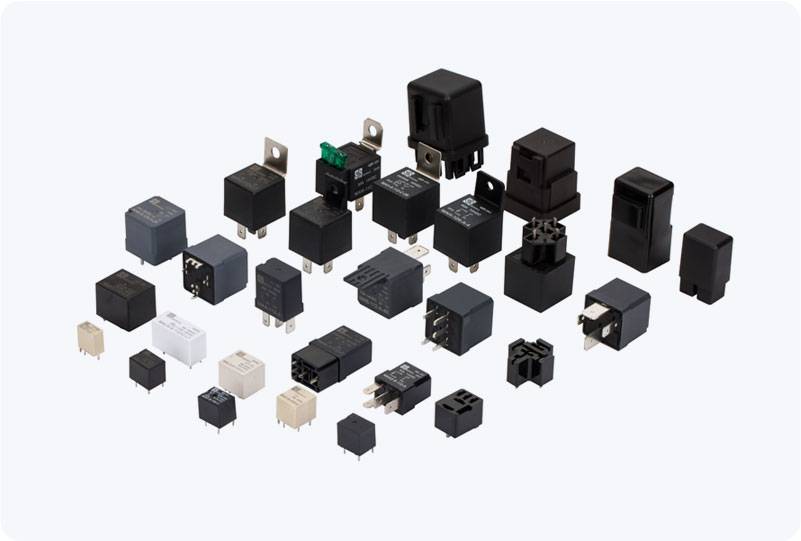
What is a 24VDC Power Relay? At its core, a power relay is an electrically operated switch. It consists of an electromagnet that, when energized by a 24VDC input, creates a magnetic field that pulls a set of contacts together or apart. This action allows the relay to control larger electrical loads with a small control current. The 24VDC power relay is specifically designed to work with a 24V DC power supply, which is commonly used in industrial control systems, automotive electronics, and automation applications. Key Features of the 24VDC Power Relay Low Control Voltage, High Load Capacity: One of the main advantages of a 24VDC power relay is its ability to control large electrical loads using a low control voltage. This makes it highly efficient and ideal for applications where high current and voltage switching is needed but cannot be directly controlled by low-voltage circuits.