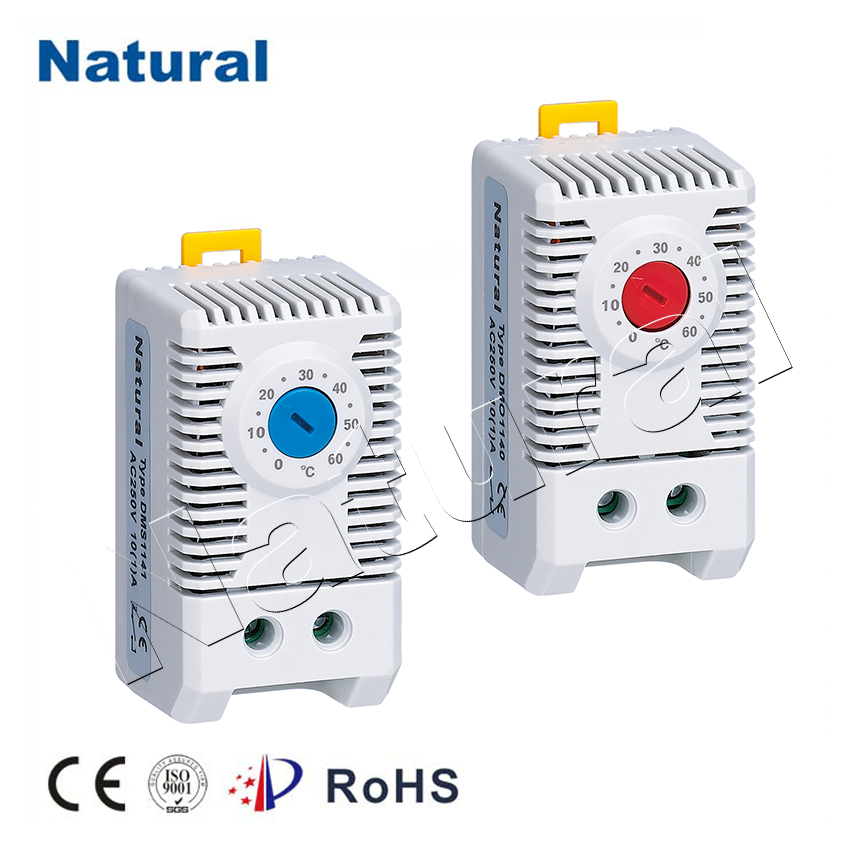
In today’s world, thermostats are an essential part of maintaining comfort in our homes and offices. One of the most common types of thermostats is the 24V thermostat, widely used in HVAC systems for regulating heating and cooling. This article will explore the purpose, functionality, installation, and benefits of the 24V thermostat, providing you with a deeper understanding of how it works.
What is a 24V Thermostat?
A 24V thermostat is a low-voltage thermostat that operates using 24 volts of power, which is a standard voltage for many HVAC systems. These thermostats are commonly found in residential and commercial heating, ventilation, and air conditioning (HVAC) systems, as well as in other electrical appliances that require regulated temperature control. The term “24V” refers to the amount of power supplied to the thermostat, as opposed to the high voltage thermostats typically seen in more industrial applications. How Does a 24V Thermostat Work? The primary function of a 24V thermostat is to monitor the temperature of a room or building and send signals to the HVAC system to maintain the desired temperature. It achieves this by measuring the air temperature and comparing it to the set temperature. When the air temperature deviates from the set point, the thermostat activates or deactivates the HVAC system’s heating or cooling mechanism accordingly.