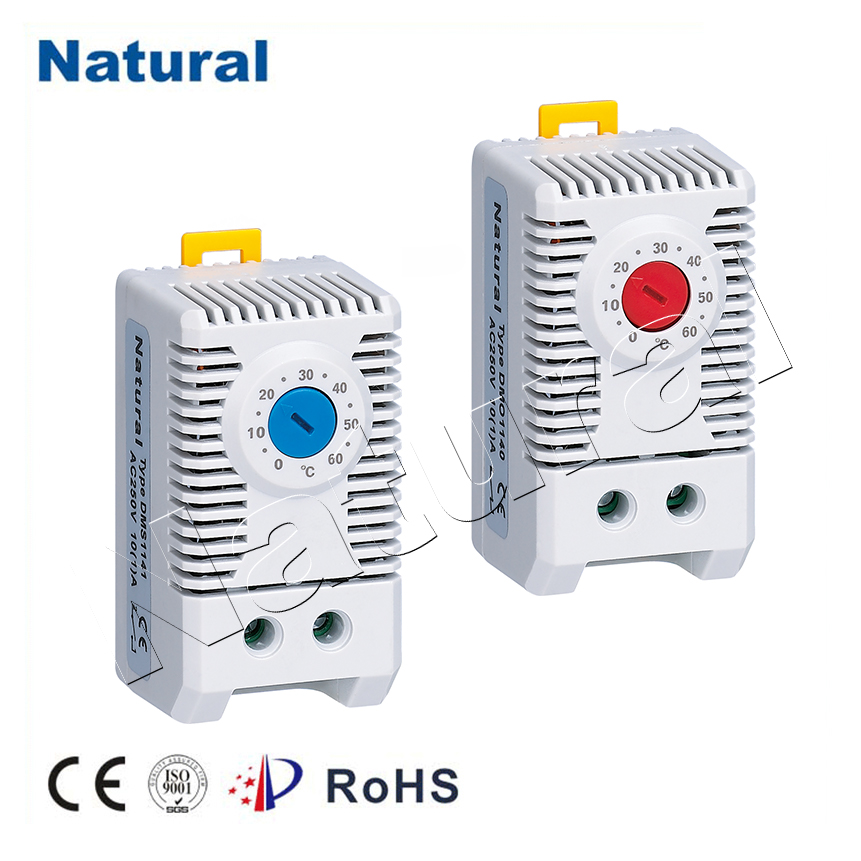
A 24V thermostat is an essential device used in heating, ventilation, and air conditioning (HVAC) systems, which helps regulate the temperature of a building or space. While many people may not be familiar with the technical aspects of how these thermostats work, they play a crucial role in ensuring energy efficiency and maintaining comfort in homes, offices, and other environments. In this article, we will explore the workings of a 24V thermostat, its advantages, common applications, and considerations when selecting and installing one.
What is a 24V Thermostat?
A 24V thermostat is a temperature control device that operates on a 24-volt power supply, typically powered by a transformer that reduces the standard household voltage (usually 120V or 240V) to a safer 24V. These thermostats are used primarily in residential and commercial heating and cooling systems to regulate the temperature by controlling the operation of heating or cooling units. While many modern systems now feature digital thermostats, the 24V model remains one of the most commonly used in HVAC systems due to its simplicity, reliability, and cost-effectiveness. The 24V refers to the voltage of the electrical signals used to control the system, rather than the voltage that powers the heating or cooling equipment itself.