Industrial relays play a crucial role in modern automation and control systems, enabling the switching of electrical circuits with ease and reliability. Among various types of industrial relays, the 24V DC Industrial Relay stands out due to its widespread use in many applications, ranging from small machinery to large-scale industrial systems. This article explores the fundamentals, applications, and advantages of 24V DC relays, helping readers understand why they are an essential component in various industries.
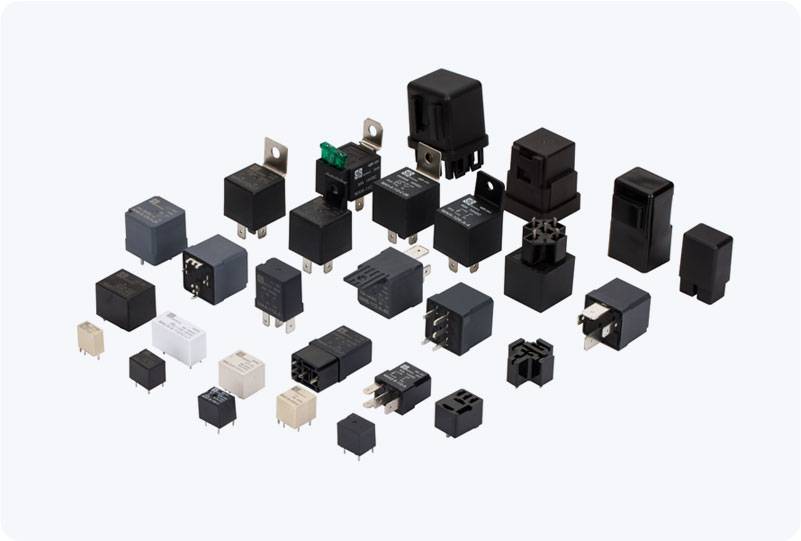
What is a 24V DC Industrial Relay? A 24V DC Industrial Relay is an electromechanical device that is used to switch electronic circuits on and off. The relay operates on a 24-volt direct current (DC) control voltage, which energizes the relay’s coil. Once energized, the coil generates a magnetic field that moves an internal switch, either opening or closing the contact points. This allows the relay to control a much larger current or voltage than the control circuit itself can handle, making it ideal for automating industrial processes. Relays come in various configurations, with the 24V DC relay specifically designed to work with systems that utilize a 24V DC power supply, which is common in many industrial control systems. It typically features one or more NO (Normally Open) or NC (Normally Closed) contact points to enable switching functions based on the relay’s activation.