The 24V 30A relay is an essential component in modern electrical systems, commonly used for controlling high-power loads with the help of a low-power control signal. With the increasing complexity of electrical circuits and automation systems, the need for reliable, efficient, and durable components has risen. This article explores the functionality, features, and applications of the 24V 30A relay, shedding light on why it is a go-to choice for many industries.
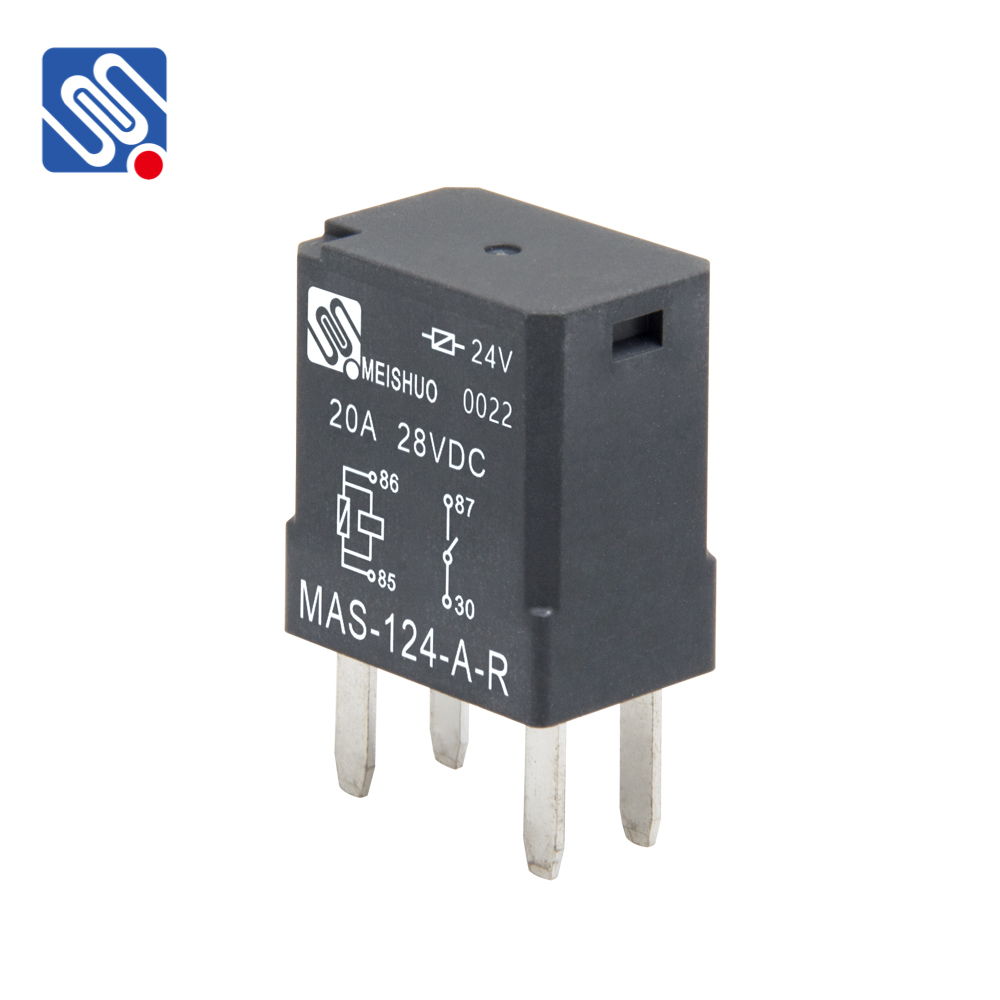
What is a 24V 30A Relay? A 24V 30A relay is a type of electromagnetic switch used to control the flow of electricity in a circuit. It operates by receiving a low-power signal, typically 24V DC or AC, which activates a coil inside the relay. When the coil is energized, it creates a magnetic field that moves the relay’s contacts to either open or close, allowing the control of higher-power devices, often up to 30 amps of current. The primary function of this relay is to provide electrical isolation between the control circuit and the high-power load. This prevents damage to sensitive components in the control circuit, as the relay acts as a barrier, with the control side running at lower voltages and currents.