A 24V 30A relay is an essential electrical component that plays a pivotal role in controlling high-power electrical devices using a relatively low voltage control signal. Relays, in general, are electromagnetic switches that use a low power signal to control higher power circuits. The 24V 30A relay is specifically designed to operate with a 24V control voltage and can switch up to 30 amps of current, making it a versatile and reliable option for various applications across different industries.
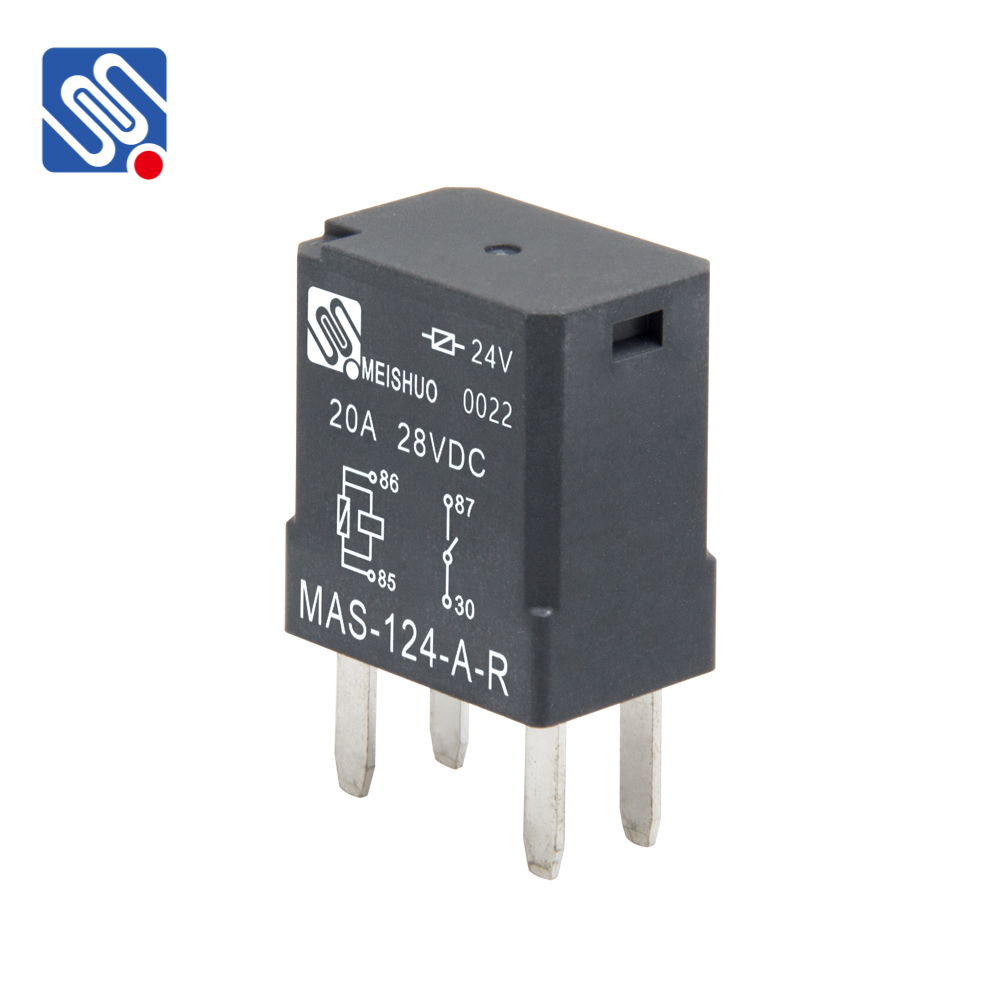
What is a 24V 30A Relay? A 24V 30A relay consists of an electromagnetic coil that, when energized, creates a magnetic field. This magnetic field pulls or pushes a set of contacts, closing or opening a circuit, thus allowing current to flow through a different set of contacts. The key specification of the 24V 30A relay is its voltage and current ratings: it operates at a 24V control voltage (either DC or AC, depending on the relay type) and can handle loads up to 30 amps. This makes it ideal for applications where a large current needs to be controlled by a much smaller control current. Key Features of 24V 30A Relays